Serotonin and aging: why mood regulation gets harder after 40
Serotonin receptors decline 10-15% per decade after 40. Learn why mood regulation gets harder with age and how to protect your serotonin system for longevity.
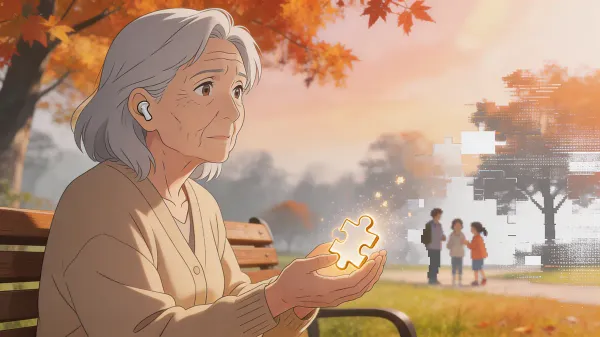
You used to bounce back from a bad day. Stress was uncomfortable but manageable. Your mood had a natural resilience — a baseline it returned to after life knocked you around. Then, somewhere after 40, something shifted. The bounce-back takes longer. Small frustrations hit harder. Sleep doesn’t restore you the way it used to. And the low moods? They linger.
This isn’t weakness. It’s biochemistry. Your serotonin system — the neural network responsible for mood regulation, sleep, appetite, pain perception, and emotional resilience — is aging. PET imaging studies show that serotonin receptors decline by 10-15% per decade starting in your 30s. By 60, you may have lost 40-50% of your serotonin receptor density compared to your peak.
A 2024 study in Molecular Psychiatry confirmed that this decline isn’t just about feeling sad. Reduced serotonin signaling accelerates cognitive decline, disrupts sleep architecture, impairs stress recovery, and drives inflammatory pathways that accelerate biological aging across every organ system.
What you’ll learn:
- How and why your serotonin system declines with age
- The cascading effects on mood, sleep, cognition, and aging
- Why late-life depression is a biological aging accelerator, not just a mood problem
- 7 evidence-based strategies to protect serotonin function after 40
What is serotonin?
Serotonin (5-hydroxytryptamine, or 5-HT) is a neurotransmitter and signaling molecule produced primarily in the gut (~95%) and the brain (~5%). Despite the brain producing only a small fraction, neural serotonin plays an outsized role in regulating mood, emotions, sleep, appetite, pain, and cognition.
Quick definition: Serotonin is a neurotransmitter that modulates mood, sleep, appetite, and cognitive function. Its receptors and transporters decline with age, contributing to increased vulnerability to depression, sleep disruption, and cognitive impairment after 40.
Why serotonin isn’t “the happiness chemical”
Popular media oversimplifies serotonin as the “feel-good” neurotransmitter. The reality is more nuanced. Serotonin doesn’t create happiness — it creates stability. It modulates emotional responses, preventing both extreme lows and inappropriate highs. Think of it as a thermostat for your emotional climate, not a mood booster. When serotonin function declines, the thermostat loses precision — you become more vulnerable to emotional extremes and slower to return to baseline.
The science behind serotonin and aging
How the serotonin system changes with age
A landmark meta-analysis of PET and SPECT imaging studies mapped the age-related decline of the serotonin system with remarkable precision:
- Serotonin receptors (5-HT2A): Decline ~10-15% per decade — the most consistent finding across studies
- Serotonin transporters (SERT): Decrease ~10% per decade, reducing serotonin reuptake efficiency
- Tryptophan hydroxylase: The enzyme that produces serotonin shows reduced activity with age
- Receptor sensitivity: Even remaining receptors become less responsive to serotonin signaling
By age 65, the average person has roughly half the serotonin receptor density they had at 25. This decline is gradual and rarely abrupt — which is precisely why most people attribute the changes to “stress” or “getting older” rather than recognizing a biological shift.
The tryptophan steal — inflammation diverts your serotonin precursor
Here’s a critical mechanism that connects serotonin decline to inflammaging: serotonin is made from the amino acid tryptophan. But tryptophan has a competitor — the kynurenine pathway.
When inflammation increases (as it does with age), the enzyme IDO (indoleamine 2,3-dioxygenase) activates and shunts tryptophan toward kynurenine production instead of serotonin. Elevated hsCRP and IL-6 literally steal your serotonin raw material. This creates a vicious cycle:
Aging → inflammation → tryptophan diverted → less serotonin → worse mood → more stress → more inflammation
How serotonin decline affects your body
The consequences extend far beyond mood:
Sleep disruption: Serotonin is the precursor to melatonin — the hormone that drives sleep. When serotonin production drops, melatonin synthesis follows. This explains why sleep quality deteriorates with age: lighter sleep, more awakenings, reduced slow-wave sleep — all linked to serotonin decline.
Cognitive impairment: Serotonin modulates memory consolidation, attention, and executive function. The 5-HT2A receptors that decline most steeply are concentrated in the prefrontal cortex and hippocampus — the brain regions responsible for reasoning and memory. A 2024 review linked serotonin system aging to increased Alzheimer’s risk.
Receptor subtype matters: psilocin’s intense, short-lived activation of 5-HT2A receptors is not equivalent to “raising serotonin.” Our evidence guide to psilocybin and brain networks separates that acute psychedelic mechanism from permanent-rewiring claims and routine depression treatment.
Pain amplification: Serotonin is a key modulator of pain pathways in the spinal cord and brain. As serotonin function declines, pain thresholds drop — explaining why chronic pain conditions become more prevalent and harder to manage after 50.
Appetite and gut changes: The gut’s serotonin system regulates motility, appetite, and microbiome signaling. Age-related serotonin decline contributes to altered appetite, digestive changes, and gut-brain axis dysfunction.
Serotonin, depression, and biological aging
Late-life depression is an aging accelerator
Depression after 50 isn’t just a mood problem — it’s a biological aging event. Our dedicated guide on depression and accelerated biological aging covers the four distinct pathways — inflammation, HPA dysregulation, telomere shortening, and mitochondrial dysfunction — through which depressive episodes age the body at the cellular level. Research shows that major depression in older adults:
- Accelerates epigenetic aging by 2-7 years as measured by DNA methylation clocks
- Elevates chronic cortisol, which damages the hippocampus and accelerates brain atrophy
- Increases systemic inflammation: depressed older adults have hsCRP levels 30-50% higher than non-depressed peers
- Reduces HRV — reflecting autonomic nervous system dysfunction
- Doubles the risk of cardiovascular events and all-cause mortality
A 2024 study in Psychoneuroendocrinology found that the poorer the aging trajectory, the higher the serotonin synthesis capacity in certain brain regions — suggesting the brain attempts to compensate for accelerated aging by ramping up serotonin production, a compensatory mechanism that eventually fails.
The biological age connection
Serotonin decline and depression affect virtually every biomarker used to calculate biological age:
| Biomarker | How Serotonin Decline Affects It |
|---|---|
| hsCRP | Rises due to inflammation-depression feedback loop |
| HRV | Drops due to autonomic dysfunction |
| Cortisol | Chronically elevated, disrupting multiple systems |
| Sleep quality | Deteriorates, impairing nightly repair processes |
| Walking speed | Decreases with depression-related deconditioning |
| Cognitive function | Declines via hippocampal atrophy and prefrontal dysfunction |
7 proven strategies to protect your serotonin system
1. Exercise is the most powerful natural serotonin enhancer
Exercise increases serotonin synthesis, release, and receptor sensitivity. It’s the closest thing to a natural antidepressant — and meta-analyses show it’s as effective as medication for mild-to-moderate depression.
Why it works: Exercise increases tryptophan availability to the brain by competing away other amino acids from the blood-brain barrier transport system. It also upregulates tryptophan hydroxylase and increases BDNF, which supports serotonin neuron health.
How to do it:
- 150+ minutes moderate aerobic exercise per week — walking at 3 mph (4.8 km/h), cycling, swimming
- Outdoor exercise provides bonus benefit: sunlight independently stimulates serotonin production
- Consistency matters more than intensity — 30 minutes daily beats 2-hour weekend sessions
- Even a single 20-minute walk acutely increases serotonin and mood for 2-4 hours
Expected results: Mood improvements within 2-4 weeks of consistent exercise. Maximal antidepressant effects at 8-12 weeks.
2. Get strategic about sunlight exposure
Bright light is one of the strongest environmental regulators of serotonin production. The retinal-hypothalamic pathway directly stimulates serotonin synthesis in the raphe nuclei — the brain’s serotonin factory.
How to do it:
- 20-30 minutes of morning sunlight within 1-2 hours of waking
- No sunglasses during this exposure (glasses block the UV signals)
- In winter or northern latitudes, consider a 10,000 lux light therapy box for 20-30 minutes each morning
- Combine with outdoor exercise for synergistic benefits
3. Optimize tryptophan intake and absorption
Since inflammation steals tryptophan from serotonin production, you need both adequate intake and strategies to minimize the inflammatory diversion.
Tryptophan-rich foods:
- Turkey, chicken, eggs: 250-300 mg per 3 oz (85 g) serving
- Salmon: 250 mg per 3 oz (85 g) serving
- Nuts and seeds (pumpkin seeds, cashews): 100-150 mg per oz (28 g)
- Tofu and soy products: 200 mg per half cup (125 g)
- Dark chocolate: 18 mg per oz (bonus: also contains flavonoids)
Absorption optimization:
- Eat tryptophan-rich protein with complex carbohydrates — insulin drives competing amino acids into muscle, giving tryptophan preferential access to the brain
- B vitamins (particularly B6 and folate) are cofactors for serotonin synthesis — ensure adequate intake
- Reduce chronic inflammation to minimize tryptophan diversion to the kynurenine pathway
4. Prioritize deep sleep
The serotonin-sleep relationship is bidirectional: serotonin drives sleep quality, and sleep quality supports serotonin system maintenance. Targeting deep sleep is particularly important because this is when serotonin receptors undergo maintenance and repair.
How to do it:
- Consistent sleep-wake schedule (±30 minutes, even on weekends)
- Cool bedroom: 65-68°F (18-20°C) — temperature drops trigger sleep onset
- Limit alcohol — it suppresses deep sleep even when it helps you fall asleep initially
- Avoid blue light 1-2 hours before bed
- Target 7-9 hours total, with emphasis on slow-wave sleep percentage
5. Reduce chronic inflammation — stop the tryptophan steal
Since inflammation directly diverts tryptophan away from serotonin production, anti-inflammatory strategies are also serotonin strategies.
How to do it:
- Anti-inflammatory diet: Mediterranean pattern with emphasis on omega-3 fatty acids, polyphenols, and fiber
- Regular exercise (covered above — dual benefit)
- Stress management: meditation, deep breathing, social connection
- Address gut dysbiosis: your gut produces 95% of your body’s serotonin — gut inflammation directly impairs production
- Reduce endocrine disruptors: BPA and PFAS can disrupt serotonin signaling
6. Support your gut-serotonin axis
Your gut is your body’s primary serotonin factory. The enterochromaffin cells lining your intestines produce roughly 95% of total body serotonin. Gut microbiome health directly influences this production.
How to do it:
- Fermented foods: yogurt, kefir, sauerkraut, kimchi — a Stanford study showed fermented foods reduce inflammatory markers and improve gut diversity
- Prebiotic fiber: feeds beneficial bacteria that support serotonin-producing gut cells
- Avoid unnecessary antibiotics: they disrupt serotonin-producing gut bacteria for months
- Manage stress: the gut-brain axis is bidirectional — stress impairs gut function, and gut dysfunction amplifies stress
7. Build and maintain social connections
Social interaction is a powerful serotonin stimulator. Positive social engagement triggers serotonin release in the dorsal raphe nucleus, while social isolation reduces serotonin receptor expression.
How to do it:
- Prioritize face-to-face interactions over digital communication
- Regular group activities: exercise classes, clubs, volunteering
- Physical touch: hugs, handshakes, and physical proximity increase serotonin
- Acts of kindness and generosity: research shows that helping others increases serotonin in both the giver and receiver
- Pet ownership: animal companionship stimulates serotonin and oxytocin
How to track and measure serotonin-related health
Serotonin itself can’t be measured with standard blood tests (brain and blood serotonin are separate systems). But you can track the downstream indicators:
| Metric | What It Reflects | How to Track |
|---|---|---|
| Mood stability | Serotonin function | Daily mood logging |
| Sleep quality (deep sleep %) | Serotonin → melatonin conversion | Apple Watch / sleep tracker |
| HRV | Autonomic balance affected by serotonin | Daily wearable tracking |
| hsCRP | Inflammation driving tryptophan diversion | Blood work every 6 months |
| Cortisol awakening response | Stress-serotonin axis function | Salivary test |
| Resting heart rate trend | Autonomic health | Daily wearable tracking |
How SuperAge helps you track mood-related aging
Serotonin decline doesn’t happen in isolation — it’s part of a broader aging process that SuperAge helps you monitor and manage.
Daily mood-health correlation
Your Apple Watch continuously tracks the physiological markers most affected by serotonin system changes:
- HRV: Reflects autonomic balance — serotonin dysfunction lowers HRV, and SuperAge tracks your trend over weeks and months
- Resting heart rate: Rises with chronic stress and depression
- Sleep metrics: Duration, quality, and deep sleep percentage — all influenced by serotonin
- Activity levels: Depression-related deconditioning shows up as declining active minutes
Biological age as mental health metric
SuperAge integrates these daily metrics with your periodic blood work to calculate a biological age that captures the aging effects of serotonin decline, chronic stress, and mood disturbance. When you implement lifestyle changes — exercise, sleep optimization, social connection — you can track their impact on your biological age trajectory.
Stress and resilience tracking
SuperAge’s resilience and stress metrics reflect how well your body recovers from daily challenges — a direct reflection of serotonin and autonomic function. Improving resilience scores often correlates with improved serotonin-related wellbeing.
Frequently asked questions
Should I take SSRIs if my serotonin is declining with age?
SSRIs (selective serotonin reuptake inhibitors) work by keeping existing serotonin active longer at synapses. They can be effective for clinical depression at any age. However, age-related serotonin decline isn’t the same as clinical depression — and SSRIs aren’t a substitute for the lifestyle factors (exercise, sleep, nutrition, social connection) that address the root causes. If you’re experiencing persistent depressive symptoms, discuss with your doctor. Medication and lifestyle interventions work better together than either alone.
Can you increase serotonin naturally after 50?
Yes. Exercise, sunlight exposure, tryptophan-rich nutrition, deep sleep, gut health, and social connection all support serotonin synthesis and receptor function. You cannot fully reverse the receptor decline of aging, but you can optimize the system you have — which for most people is sufficient to maintain mood stability and cognitive function well into old age.
How do I know if my mood changes are serotonin-related or “just stress”?
They’re usually both. Stress depletes serotonin reserves and accelerates receptor decline. The distinction matters less than the solution: the interventions that support serotonin function (exercise, sleep, nutrition, social connection) also build stress resilience. If mood changes are persistent (lasting more than 2 weeks), significantly impair daily function, or include thoughts of self-harm, seek professional evaluation — these may indicate clinical depression requiring treatment.
Does dopamine decline at the same rate as serotonin?
Dopamine also declines with age, but through different mechanisms and at different rates. Dopamine decline primarily affects motivation, reward sensitivity, and motor function (think Parkinson’s disease). Serotonin decline primarily affects mood stability, sleep, and emotional resilience. Both systems interact, and both benefit from exercise, sleep, and anti-inflammatory nutrition.
Key takeaways
- Serotonin receptors decline 10-15% per decade after 30, with cumulative effects becoming noticeable after 40
- Inflammation steals tryptophan — the serotonin precursor — diverting it to the kynurenine pathway, creating a vicious cycle
- Late-life depression accelerates biological aging by 2-7 years through epigenetic, inflammatory, and cardiovascular pathways
- Exercise is the single most effective natural intervention — as effective as medication for mild-moderate depression, with anti-aging benefits
- The gut produces 95% of your serotonin: gut health, fermented foods, and microbiome diversity directly support mood regulation
Protect your mood, protect your aging
Your serotonin system is aging — but the rate of that decline is largely in your hands. Exercise, sunlight, nutrition, sleep, and human connection are the five pillars of serotonin health after 40. Start with one. Build from there.
Ready to track how your lifestyle affects your brain aging? Download SuperAge and start monitoring the daily metrics — HRV, sleep quality, stress resilience — that reflect your serotonin system health and biological age.
References
- Karrer TM, et al. (2019). “Reduced serotonin receptors and transporters in normal aging adults: a meta-analysis of PET and SPECT imaging studies.” Neuroscience & Biobehavioral Reviews
- Amat-Foraster M, et al. (2024). “Serotonin in depression and Alzheimer’s disease: Focus on SSRIs’ beneficial effects.” Ageing Research Reviews
- Marner L, et al. (2024). “Poorer aging trajectories are associated with elevated serotonin synthesis capacity.” Molecular Psychiatry
- Meltzer CC, et al. (1998). “Serotonin in aging, late-life depression, and Alzheimer’s disease: the emerging role of functional imaging.” Neuropsychopharmacology
- O’Mahony SM, et al. (2015). “Serotonin, tryptophan metabolism and the brain-gut-microbiome axis.” Behavioural Brain Research
- Livingston G, et al. (2024). “Dementia prevention, intervention, and care: 2024 report of the Lancet standing Commission.” The Lancet
Last updated: 2026-03-23. This article is regularly reviewed to ensure accuracy.
Related Articles
Lion's mane mushroom: nerve growth factor and brain aging
Lion's mane mushroom contains compounds that stimulate nerve growth factor (NGF). Explore the science behind hericenones, erinacines, cognitive aging, and longevity.