BDNF: The brain's fertilizer that declines with age
BDNF supports neuroplasticity and memory, but blood BDNF is not a diagnosis. Learn exercise, sleep, stress, diet, supplements, and dementia-claim limits.
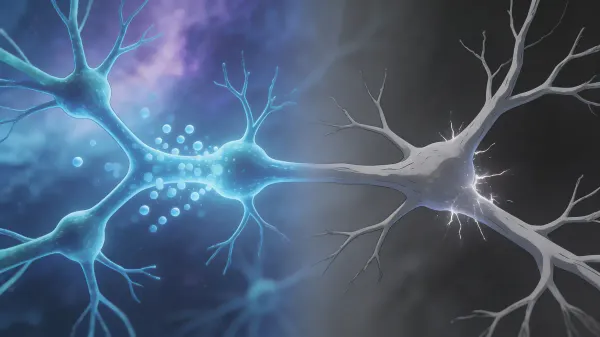
Your brain doesn’t just process information — it physically rewires itself in response to every experience, conversation, and skill you learn. Behind this extraordinary ability lies a molecule called BDNF (brain-derived neurotrophic factor), often called “fertilizer for the brain.” BDNF nourishes existing neurons, promotes the growth of new ones, strengthens the synaptic connections that underpin learning and memory, and protects your brain from age-related damage.
The problem? BDNF levels decline steadily with age. This drop is now recognized as one of the most consistent neurobiological changes associated with aging — and it’s directly linked to the cognitive decline, memory loss, and increased vulnerability to neurodegenerative disease that many people experience as they grow older.
The encouraging news is that BDNF responds powerfully to lifestyle interventions. Exercise alone can increase BDNF levels by 200–300% acutely, and sustained lifestyle changes can maintain elevated BDNF into old age. Understanding how to optimize this molecule may be one of the most impactful things you can do for long-term brain health.
What you’ll learn:
- What BDNF does in the brain and why it matters for aging
- Why BDNF declines with age and what accelerates this decline
- The strongest evidence-based strategies to boost BDNF naturally
- How BDNF connects to biological age and overall longevity
Quick answer
BDNF is a neurotrophic growth factor that supports neuron survival, synaptic plasticity, learning, and memory. The strongest practical evidence for supporting BDNF-related brain health comes from regular physical activity, especially aerobic exercise and resistance training. But blood BDNF is an imperfect proxy for brain BDNF, and “boosting BDNF” is not a proven treatment for depression or a guaranteed way to prevent dementia.
Key facts
- BDNF = neurotrophic factor for plasticity, learning, and neuron survival.
- Blood BDNF = imperfect proxy, not a direct brain-health diagnosis.
- Strongest lifestyle lever = regular aerobic and resistance exercise.
- Sleep, stress, inflammation, and metabolic health = BDNF signal modifiers.
- BDNF foods and supplements = usually indirect, preliminary, or context-specific evidence.
Evidence note
Many studies measure serum or plasma BDNF, which may not reliably reflect BDNF activity in the hippocampus, cortex, or synapses. The stronger claim is that exercise, sleep, learning, stress control, and metabolic health support neuroplasticity. The weaker claim is that targeting BDNF alone prevents Alzheimer disease or treats depression.
Safety note
Seek medical evaluation for sudden memory, mood, speech, movement, or sleep changes. Do not replace depression, dementia, epilepsy, or sleep-disorder treatment with a BDNF plan. Intense fasting, high-dose supplements, and high-intensity intervals are not appropriate for everyone.
What is BDNF?
BDNF is a protein belonging to the neurotrophin family — a group of growth factors that support the survival, development, and function of neurons.
Quick definition: Brain-derived neurotrophic factor (BDNF) is a protein that promotes the survival of existing neurons, stimulates the growth of new neurons (neurogenesis), and strengthens synaptic connections essential for learning and memory. It’s the most abundant and widely studied neurotrophin in the brain.
BDNF is produced primarily in the hippocampus (memory center), cortex (executive function), and basal forebrain, but it’s also expressed in muscle tissue, the liver, and circulating blood. It acts by binding to the TrkB receptor on neurons, triggering intracellular signaling cascades that promote:
- Neuronal survival: protecting existing neurons from damage and apoptosis
- Synaptogenesis: forming new synaptic connections between neurons
- Long-term potentiation (LTP): strengthening existing synapses — the cellular basis of memory formation
- Neurogenesis: stimulating the birth of new neurons in the hippocampus (one of the few brain regions where this occurs in adults)
- Neuroprotection: shielding neurons from oxidative stress, inflammation, and excitotoxicity
Why BDNF matters for aging
Think of BDNF as the construction and maintenance budget for your brain’s infrastructure. In youth, BDNF levels are high — your brain can rapidly build new connections, repair damage, and adapt to challenges. With age, this budget progressively shrinks:
- Serum BDNF levels decline approximately 1–2% per year after age 30
- Hippocampal volume — closely tied to BDNF availability — shrinks by 1–2% per year after age 55
- Reduced BDNF is associated with higher risk of Alzheimer’s, Parkinson’s, depression, and age-related cognitive decline
- Lower BDNF levels correlate with poorer performance on memory tests, slower processing speed and reaction time, and reduced executive function — and recent research links BDNF decline in reward regions to the motivational losses driven by dopamine decline
The science behind BDNF decline
How BDNF works in the brain
When a neuron is activated — through learning, exercise, or environmental stimulation — it releases BDNF. This BDNF binds to TrkB receptors on nearby neurons, activating several signaling pathways:
- MAPK/ERK pathway — promotes cell survival and synaptic plasticity
- PI3K/Akt pathway — protects neurons from apoptosis
- PLCγ pathway — enhances synaptic transmission and calcium signaling
Together, these pathways create an environment where neurons thrive, connections strengthen, and the brain remains adaptable — the essence of neuroplasticity.
Why BDNF declines with age
Multiple factors drive age-related BDNF decline:
Reduced physical activity — Sedentary behavior is one of the strongest predictors of low BDNF. Muscle contraction during exercise is a direct stimulus for BDNF production in both muscle tissue and the brain. As people become less active with age, this stimulus diminishes.
Chronic inflammation — Inflammaging directly suppresses BDNF production. Pro-inflammatory cytokines (IL-6, TNF-α) inhibit BDNF gene expression and accelerate BDNF degradation. This creates a vicious cycle: lower BDNF reduces neuroprotection, which increases neuroinflammation, which further suppresses BDNF.
Chronic stress and cortisol — Sustained elevated cortisol suppresses BDNF production in the hippocampus. Chronic stress is one of the most potent suppressors of neurogenesis and synaptic plasticity, partly through BDNF reduction.
Poor sleep — Sleep deprivation reduces BDNF levels and impairs the nocturnal consolidation of synaptic changes. Deep sleep is when BDNF-mediated synaptic strengthening is consolidated into long-term memory.
Metabolic dysfunction — Insulin resistance and type 2 diabetes are associated with significantly lower BDNF levels. High blood sugar and glycation damage the signaling pathways that regulate BDNF production. This same metabolic impairment is a primary driver of brain fog — the cognitive cloudiness that often precedes measurable BDNF decline.
Epigenetic changes — Age-related epigenetic modifications — particularly DNA methylation of the BDNF gene promoter — progressively silence BDNF expression in key brain regions.
BDNF and longevity: what the research says
- Higher BDNF levels in older adults are associated with slower cognitive decline, preserved hippocampal volume, and lower risk of dementia. A 2025 prospective cohort study found that cognitively normal older adults in the high-BDNF group had a hazard ratio of just 0.27 for progressing to mild cognitive impairment (MCI) over 4 years compared to the low-BDNF group
- Exercise-induced BDNF elevation correlates with improved learning capacity — older adults who exercised before learning tasks performed significantly better than sedentary controls
- The Val66Met polymorphism in the BDNF gene affects ~30% of the population and is associated with reduced activity-dependent BDNF release, making exercise and lifestyle optimization even more critical for carriers. ApoE4 carriers show an especially strong dose-response between exercise and cognitive preservation, partly through the BDNF pathway
- Seasonal effects matter too: a 2025 longitudinal study in high-latitude regions documented a marked decline in plasma BDNF over the winter months in older adults, even those with high baseline cognitive function — reinforcing the link between light exposure, vitamin D, and neurotrophic signaling
- Centenarian studies suggest that cognitive resilience in extreme old age correlates with preserved neurotrophic signaling
- Animal studies show that increasing BDNF extends healthspan and protects against age-related neurodegeneration
7 proven ways to boost BDNF naturally
1. Exercise — the most potent BDNF activator
Why it works: Exercise is the single most powerful stimulus for BDNF production. A single bout of aerobic exercise increases serum BDNF by 200–300%. Regular training (12+ weeks) elevates resting BDNF levels, providing sustained neuroprotective benefits. The effect is dose-dependent: higher intensity produces greater BDNF spikes, though moderate exercise also provides significant benefits. A 2025 systematic review and meta-analysis confirmed that walking, running, and cycling each significantly raise circulating BDNF in older adults — meaning the “best” modality is the one you’ll actually do consistently.
How to do it:
- High-intensity intervals produce the strongest acute BDNF response — 20–30 minutes, 2–3 times/week. A 2025 Bayesian network meta-analysis ranked HIIT and stretching training among the top modalities for BDNF elevation in neurodegenerative populations
- Zone 2 aerobic training (150+ min/week at 3 mph / 4.8 km/h or faster) provides sustained baseline elevation
- Resistance training is a powerful and underrated BDNF stimulus — a 10-week lower-limb resistance program increased plasma BDNF by 65.2% in older participants. Current evidence supports 2 sessions/week of ~45 minutes for at least 12 weeks to enhance global cognition. Maintaining muscle mass after 50 provides a lifelong BDNF stimulus
- Optimal protocol from meta-analyses: moderate-to-vigorous intensity, 3–4 sessions/week, 12+ weeks, combining aerobic and resistance work
Expected results: Acute BDNF elevation after each session; sustained baseline increase within 8–12 weeks.
2. Prioritize deep sleep
Why it works: During deep sleep (N3 stage), the brain consolidates the synaptic changes driven by daytime BDNF signaling into long-term memory. Sleep deprivation reduces BDNF levels and impairs the consolidation process. Chronic poor sleep effectively eliminates the cognitive benefits of exercise-induced BDNF elevation.
How to do it:
- Target 7–9 hours total sleep with at least 1.5 hours of deep sleep
- Maintain consistent sleep-wake schedules — circadian disruption suppresses BDNF
- Keep bedroom cool: 65–68°F (18–20°C) for optimal deep sleep
- Avoid alcohol before bed — it fragments sleep architecture and impairs BDNF-mediated consolidation
Expected results: Enhanced memory consolidation and cognitive function within 1–2 weeks of improved sleep quality.
3. Practice intermittent fasting
Why it works: Fasting increases BDNF through multiple pathways. Metabolic switching from glucose to ketones during fasting directly stimulates BDNF production. The ketone body β-hydroxybutyrate (BHB) — produced abundantly during fasting and ketogenic states — has been shown to upregulate BDNF gene expression by inhibiting histone deacetylases (HDACs) that normally silence the Bdnf gene, and by activating BDNF promoter IV via the NF-κB and p300 pathways. AMPK activation during fasting further enhances BDNF gene expression. Mild metabolic stress from fasting acts as a hormetic stimulus that upregulates neuroprotective pathways including BDNF.
How to do it:
- Time-restricted eating within an 8–10 hour window
- Start with a 12-hour overnight fast and gradually extend
- Ensure adequate nutrition during eating windows — micronutrient deficiencies impair BDNF production
- Exercise in a fasted state (morning training before eating) may produce an additive BDNF boost
Expected results: BDNF elevation measurable within days of consistent fasting practice.
4. Engage in cognitive stimulation and learning
Why it works: BDNF production is activity-dependent — neurons that fire together release more BDNF. Novel learning experiences, complex problem-solving, and environmental enrichment all stimulate BDNF release and the downstream synaptic changes it drives. “Use it or lose it” isn’t just a saying — it’s a description of BDNF-mediated neuroplasticity.
How to do it:
- Learn new skills regularly: a musical instrument, language, dance, or complex sport
- Engage in activities that combine cognitive and physical challenge (martial arts, tennis, navigation-intensive hiking)
- Read, solve puzzles, and pursue intellectually demanding hobbies
- Maintain diverse social interactions — social engagement stimulates BDNF
Expected results: Enhanced synaptic plasticity and cognitive performance with sustained engagement over weeks to months.
5. Eat BDNF-boosting foods
Why it works: Certain dietary components directly support BDNF production. Omega-3 fatty acids (DHA in particular) are structural components of neuronal membranes and enhance BDNF signaling. Polyphenols — including those in dark chocolate, blueberries, and green tea — cross the blood-brain barrier and stimulate BDNF expression through the CREB pathway.
Key BDNF-supporting foods:
- Omega-3-rich fish: salmon, sardines, mackerel (2–3 servings/week)
- Dark chocolate (70%+ cocoa): flavanols boost BDNF and cerebral blood flow
- Blueberries: anthocyanins enhance BDNF and hippocampal neurogenesis
- Green tea: EGCG stimulates BDNF production
- Turmeric: curcumin increases BDNF levels and has anti-inflammatory effects in the brain. Meta-analyses of randomized trials show that supplemental curcumin at 200–1820 mg/day for 8–12 weeks significantly raises serum BDNF, although bioavailability is the limiting factor — pair with black pepper (piperine) or use a phytosome/lipid formulation
- Lion’s mane mushroom: hericenones and erinacines stimulate NGF synthesis and upregulate BDNF in the hippocampus
- Extra virgin olive oil: oleocanthal supports neuroprotective pathways
- Creatine: creatine supplementation synergizes with exercise to amplify BDNF release, with research showing the combination is more neuroprotective than either alone
Expected results: Enhanced BDNF substrate availability within weeks; cognitive benefits over months.
6. Get regular sunlight exposure
Why it works: Sunlight exposure increases BDNF levels through multiple mechanisms. Bright light stimulates serotonin production, which is a precursor to BDNF signaling. Vitamin D — synthesized through UV exposure — modulates BDNF gene expression. Morning sunlight also regulates circadian rhythms that influence nocturnal BDNF processing.
How to do it:
- Get 15–30 minutes of morning sunlight (within 1 hour of waking) to set circadian rhythms
- Spend time outdoors during daylight hours — indoor lighting is 10–100x dimmer than outdoor light
- Maintain adequate vitamin D levels (40–60 ng/mL optimal range)
- In winter or northern latitudes, consider a light therapy lamp (10,000 lux)
Expected results: Improved mood, energy, and circadian regulation within 1–2 weeks.
7. Manage chronic stress
Why it works: Chronic stress and sustained cortisol elevation are among the most potent suppressors of BDNF production. Stress directly inhibits BDNF gene expression in the hippocampus and prefrontal cortex — the brain regions most important for memory and executive function. Reducing chronic stress removes this inhibition, allowing BDNF levels to recover.
How to do it:
- Practice mindfulness meditation for 10–15 minutes daily — randomized trials show mindfulness-based interventions (MBSR, MBCT) significantly raise BDNF compared to relaxation or wait-list controls
- Engage in regular physical activity (addresses both exercise and stress pathways)
- Maintain strong social connections — social support buffers stress-mediated BDNF suppression
- Spend time in nature — forest bathing reduces cortisol and increases BDNF
Expected results: Reduced cortisol and improved BDNF-mediated plasticity within 4–8 weeks.
How to track brain health and BDNF indicators
Direct BDNF measurement requires a blood test (serum BDNF), but several proxy indicators reflect BDNF-related brain health:
| Metric | Connection to BDNF | How to track |
|---|---|---|
| Cognitive performance | Memory, processing speed, and learning reflect BDNF-mediated plasticity | Cognitive assessments |
| VO2 max | Higher cardiorespiratory fitness correlates with higher BDNF | Apple Watch / SuperAge |
| HRV | Autonomic balance influences neurotrophic signaling | Apple Watch / SuperAge |
| Deep sleep duration | BDNF-mediated memory consolidation occurs during N3 sleep | SuperAge sleep tracking |
| Exercise consistency | Regular exercise is the strongest BDNF stimulus | SuperAge activity tracking |
| Biological age | Integrates metrics that correlate with brain aging | SuperAge app |
How SuperAge helps you support brain health
While BDNF can’t be measured from a wearable, SuperAge tracks the lifestyle factors most strongly associated with BDNF levels and brain health.
Exercise optimization
SuperAge monitors training load, workout frequency, and intensity distribution — the exact parameters that determine your BDNF response to exercise. Maintaining 3–4 moderate-to-vigorous sessions per week is the sweet spot for sustained BDNF elevation, and SuperAge helps you stay on track.
Sleep quality monitoring
Since BDNF-driven memory consolidation depends on deep sleep, SuperAge’s sleep tracking helps you optimize this critical window. Monitoring deep sleep trends reveals whether your brain has adequate opportunity to consolidate learning into long-term memory.
Stress and recovery balance
SuperAge tracks HRV and stress levels — providing early warning when chronic stress may be suppressing your BDNF production. Higher HRV generally indicates better autonomic balance and lower cortisol burden, creating a more favorable environment for neurotrophic signaling.
Frequently asked questions
What does BDNF do in the brain?
BDNF (brain-derived neurotrophic factor) is a protein that supports neuron survival, promotes the growth of new neurons (neurogenesis), and strengthens synaptic connections. It’s essential for learning, memory formation, and neuroprotection. BDNF acts as “fertilizer” for the brain — without adequate levels, neurons become more vulnerable to damage and synaptic connections weaken.
How does exercise increase BDNF?
Exercise increases BDNF through multiple pathways. Muscle contraction during exercise stimulates the production of irisin, a myokine that crosses the blood-brain barrier and triggers BDNF expression. Exercise also increases cerebral blood flow — a mechanism also targeted by botanical extracts like ginkgo biloba through vasodilation and platelet modulation — enhances ketone production, and reduces inflammatory signals that suppress BDNF. Aerobic exercise produces the strongest BDNF response, with high-intensity exercise generating the largest acute spikes.
Can low BDNF cause depression?
Low BDNF is consistently associated with depression, and the “neurotrophin hypothesis of depression” proposes that BDNF deficiency is a central mechanism. Most effective antidepressant treatments — including SSRIs, exercise, and cognitive behavioral therapy — increase BDNF levels. However, the relationship is likely bidirectional: depression suppresses BDNF, and low BDNF increases vulnerability to depression.
Does BDNF decline with age?
Yes. Serum BDNF levels decline approximately 1–2% per year after age 30. This decline correlates with hippocampal volume loss, reduced memory performance, and increased risk of neurodegenerative disease. However, this decline is not inevitable — regular exercise, quality sleep, and cognitive engagement can maintain BDNF levels well into old age.
What foods boost BDNF?
Foods that support BDNF include omega-3-rich fish (salmon, sardines), dark chocolate (70%+ cocoa), blueberries, green tea, turmeric, and extra virgin olive oil. The Mediterranean diet — rich in these foods — is associated with higher BDNF levels and slower cognitive decline. Conversely, diets high in sugar and ultra-processed foods are associated with lower BDNF.
Key takeaways
- BDNF is your brain’s growth factor: it supports neuron survival, neurogenesis, synaptic plasticity, and neuroprotection
- BDNF declines ~1–2% per year after 30: this decline drives cognitive aging, memory loss, and increased vulnerability to neurodegeneration
- Exercise is the most powerful BDNF booster: a single workout can increase BDNF by 200–300%, and regular training sustains elevated levels
- Sleep consolidates BDNF’s work: without adequate deep sleep, exercise-induced synaptic changes don’t convert to long-term memory
- Chronic stress is BDNF’s enemy: sustained cortisol suppresses BDNF production in the brain regions most critical for cognition
Start feeding your brain today
Your brain’s ability to learn, adapt, and resist aging depends on BDNF — and BDNF depends on how you live. Every workout, every night of quality sleep, every intellectually stimulating experience builds the neurotrophic foundation your brain needs.
Ready to take control? Download SuperAge and start tracking exercise, sleep, and stress — the lifestyle factors that determine your brain’s BDNF levels and cognitive resilience.
References
- Miranda M et al. Brain-derived neurotrophic factor: a key molecule for memory in the healthy and the pathological brain. Frontiers in Cellular Neuroscience. 2019.
- Szuhany KL et al. A meta-analytic review of the effects of exercise on brain-derived neurotrophic factor. Journal of Psychiatric Research. 2015.
- Erickson KI et al. Exercise training increases size of hippocampus and improves memory. PNAS. 2011.
- Autry AE, Monteggia LM. Brain-derived neurotrophic factor and neuropsychiatric disorders. Pharmacological Reviews. 2012.
- Tapia-Arancibia L et al. The involvement of BDNF, NGF and GDNF in aging and Alzheimer disease. Aging and Disease. 2015.
- Palasz E et al. BDNF in the aged brain: translational implications for Parkinson disease. 2018.
- Zhang Q et al. Effects of three aerobic exercise modalities on circulating BDNF in older adults. Frontiers in Aging Neuroscience. 2025.
Last updated: 2026-05-26. This article is regularly reviewed to ensure accuracy.
Related Articles

Neuroplasticity: How your brain adapts and learns at any age
Learn how neuroplasticity allows your brain to rewire itself throughout life, how plasticity changes with age, and evidence-based ways to support brain health.