Neuroplasticity: How your brain adapts and learns at any age
Learn how neuroplasticity allows your brain to rewire itself throughout life, how plasticity changes with age, and evidence-based ways to support brain health.
For much of the 20th century, scientists treated the adult brain as relatively fixed — a hardwired machine with limited ability to change. That view was too narrow. We now know that the adult brain keeps adapting throughout life by strengthening useful connections, weakening unused ones, and reorganizing networks in response to learning, injury, and experience.
This ability is called neuroplasticity. It helps explain why you can learn a new language at 60, improve after a brain injury at 70, or build skill on a musical instrument later in life. The pace and extent of change vary by person, but the basic message is practical: the brain remains trainable.
The challenge is that neuroplasticity doesn’t remain constant. It peaks in childhood, changes across adulthood, and usually requires more deliberate effort as you age. Lifestyle, education, exercise, sleep, social connection, vascular health, and cognitive challenge all influence how much adaptive capacity the brain can preserve.
What you’ll learn:
- What neuroplasticity is and the different forms it takes
- Why plasticity changes with age and what drives this shift
- How neuroplasticity relates to cognitive reserve and dementia resistance
- 7 evidence-based strategies to support brain plasticity at any age
What is neuroplasticity?
Neuroplasticity is the brain’s ability to reorganize its structure, function, and connections in response to experience, learning, injury, or environmental changes.
Quick definition: Neuroplasticity is the brain’s capacity to modify its own structure and function throughout life. It includes synaptic plasticity (strengthening or weakening connections between existing neurons), structural plasticity (changes in brain anatomy and connectivity), and, in limited contexts, adult neurogenesis (the birth of new neurons).
The three forms of neuroplasticity
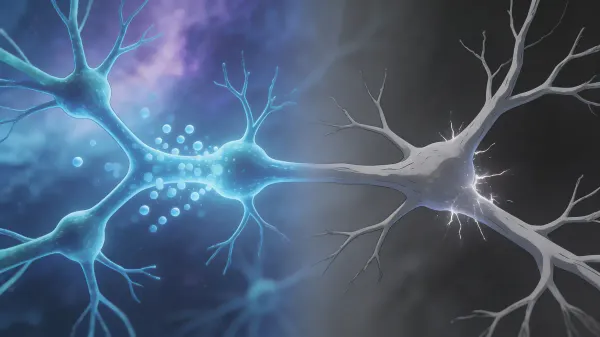
1. Synaptic plasticity The most common form — the strengthening or weakening of connections between neurons based on activity. When you practice a skill, the synapses involved become stronger (long-term potentiation, or LTP). When connections are unused, they weaken and may be pruned (long-term depression, or LTD). This is the cellular basis of learning and memory.
2. Structural plasticity Physical changes in the brain’s anatomy in response to sustained experience. This includes dendritic branching (neurons growing more connection points), myelination changes (altering signal speed), and cortical thickness changes. London taxi drivers, for example, have measurably larger hippocampi from years of spatial navigation.
3. Neurogenesis The creation of entirely new neurons. In humans, adult hippocampal neurogenesis remains an active research area: recent single-cell studies support the presence of progenitors and immature neurons in the adult hippocampus, but the rate, regulation, and direct cognitive relevance are still being mapped. Exercise and BDNF are strongly linked to hippocampal health and plasticity, but they should not be presented as a simple “grow new neurons on demand” switch.
Why neuroplasticity matters for aging
Neuroplasticity is the biological basis of cognitive reserve — the brain’s resilience to damage. People with higher cognitive reserve can sustain more brain pathology (plaques, tangles, vascular damage) before showing clinical symptoms. This reserve is built through a lifetime of neuroplastic adaptation driven by learning, exercise, and social engagement.
In practical terms: two people can have similar amounts of Alzheimer’s pathology in their brains, but the one with greater cognitive reserve may show symptoms later or function better for longer. Neuroplasticity is one contributor to that resilience, alongside vascular health, education, social connection, and lifelong activity. Understanding the early signs of cognitive decline can help you intervene earlier — and the modifiable risk factors for Alzheimer’s show how much of this risk is shaped by environment and behavior.
The science behind plasticity changes
Why the brain becomes less plastic with age
Neuroplasticity doesn’t disappear with age, but the brain’s learning environment changes. Several factors help explain why plastic change can become slower, less automatic, or more dependent on deliberate practice:
Critical period closure Early in life, the brain has “critical periods” of extraordinarily high plasticity for specific abilities (language, vision, social learning). These periods close as the brain matures, making certain types of learning more difficult (but not impossible) later in life.
Myelin stabilization As neural circuits mature, they become increasingly myelinated (insulated). While this makes existing pathways faster and more efficient, it also makes them more resistant to modification — a tradeoff between performance and adaptability.
Neurotransmitter changes Dopamine, acetylcholine, and norepinephrine — neurotransmitters involved in motivation, attention, and learning — change with age. Acetylcholine decline can impair the cholinergic signaling that supports attention and memory formation, while dopamine changes can reduce reward-driven learning and motivation.
BDNF decline Brain-derived neurotrophic factor is one of the key molecular signals involved in synaptic plasticity, learning, and hippocampal health. BDNF signaling can become less favorable with aging, inactivity, poor sleep, metabolic dysfunction, and chronic stress, reducing the brain’s readiness to adapt.
Chronic inflammation Neuroinflammation — driven by microglial overactivation and systemic inflammaging — can impair synaptic plasticity and disrupt hippocampal function. Chronically inflamed brains may have less capacity to form and strengthen useful connections.
Epigenetic changes Age-related epigenetic modifications alter the expression of plasticity-related genes, including those encoding BDNF, synaptic proteins, and neurotransmitter receptors. These changes make the molecular machinery of plasticity less responsive.
Neuroplasticity and healthy aging: what the research says
- Cognitive reserve is associated with later symptoms and lower dementia risk: education, cognitively demanding work, social engagement, and lifelong learning are repeatedly linked with greater resilience, though they do not make the brain immune to disease.
- The aging mind still responds to training: cognitive training in adults aged 65+ can improve targeted abilities such as processing speed and reaction time, reasoning, attention, or memory, with the strongest effects usually seen in the trained domain.
- Exercise supports brain plasticity: aerobic and resistance training are associated with better cognitive function in older adults, partly through cerebral blood flow, BDNF signaling, metabolic health, and hippocampal volume.
- Human neurogenesis is promising but not settled as a lifestyle endpoint: recent human hippocampus studies support neurogenic cell populations, but the functional relevance for cognition and how much lifestyle changes alter human neurogenesis remain open questions.
- Psychedelic imaging is not proof of permanent rewiring: human studies of psilocybin’s effects on brain networks show large acute functional changes, but most whole-brain organization moves back toward baseline and selected persistent findings remain preliminary.
- Environmental enrichment matters: older adults who maintain intellectually and socially stimulating lifestyles tend to show slower cognitive decline, especially when combined with physical activity and vascular-risk control.
7 evidence-based ways to support neuroplasticity
1. Learn something genuinely new and challenging
Why it works: Novel learning is a strong stimulus for synaptic plasticity. When you encounter unfamiliar material, your brain has to recruit and refine networks rather than relying only on established routines. The key word is “novel” — repeating familiar activities provides diminishing plasticity benefits.
How to do it:
- Learn a new language — bilingualism and language learning are associated with cognitive reserve in observational studies
- Study a musical instrument — engages motor, auditory, visual, and memory systems simultaneously
- Take up a complex physical skill: dance, martial arts, surfing — combining cognitive and motor challenge maximizes plasticity
- Pursue formal or informal education in unfamiliar subjects
Expected results: Better task-specific skill, attention, and cognitive flexibility can emerge within weeks to months of sustained practice.
2. Exercise aerobically — a brain-plasticity stimulus
Why it works: Aerobic exercise is one of the strongest lifestyle supports for brain plasticity. It can increase cerebral blood flow, improve insulin sensitivity, support BDNF signaling, and reduce inflammation. A landmark 2011 trial found that 1 year of aerobic exercise increased hippocampal volume by about 2% in adults aged 55–80, but that should be read as evidence of structural plasticity rather than a guarantee of age reversal.
How to do it:
- 150+ minutes/week of moderate aerobic exercise (brisk walking at 3 mph / 4.8 km/h, cycling, swimming)
- Include 1–3 sessions of higher-intensity exercise if appropriate for your fitness and medical context
- Consider exercise before learning sessions — acute exercise may improve attention and learning readiness
- Activities that combine aerobic exercise with complex movement patterns (dance, team sports) provide additive plasticity benefits
Expected results: Fitness, mood, and attention can improve within weeks; structural brain changes, when they occur, usually require months of consistency.
3. Prioritize sleep for consolidation
Why it works: Sleep is when the brain consolidates the synaptic changes driven by daytime learning into stable, long-term neural circuits. During deep sleep, the brain replays and strengthens recently formed connections through a process called synaptic homeostasis — selectively preserving important new connections while pruning noise. Without adequate sleep, daytime plasticity doesn’t translate into lasting brain changes.
How to do it:
- Target 7–9 hours of total sleep with emphasis on deep sleep quality
- Maintain consistent sleep-wake schedules — circadian disruption impairs consolidation
- Practice learning earlier in the day — sleep within 12 hours of learning enhances consolidation
- Avoid alcohol before sleep — it disrupts the sleep stages critical for memory consolidation
Expected results: Better sleep can improve memory retention and learning efficiency, often within weeks.
4. Maintain rich social engagement
Why it works: Social interaction is one of the most cognitively demanding activities the brain performs — requiring simultaneous language processing, emotional regulation, perspective-taking, memory retrieval, and social prediction. Regular social engagement activates broad neural networks and provides the kind of complex, unpredictable stimulation that drives plasticity.
How to do it:
- Prioritize face-to-face interactions over digital communication
- Engage with diverse social groups — varied perspectives challenge different cognitive networks
- Practice active listening and empathy — engages prefrontal cortex and mirror neuron systems
- Join group learning activities (classes, book clubs, discussion groups) — combines social and cognitive stimulation
Expected results: Better mood, broader cognitive stimulation, and preserved cognitive function with sustained engagement.
5. Practice mindfulness and meditation
Why it works: Meditation and mindfulness can train attention, emotional regulation, and stress reactivity. Some MRI studies report structural or connectivity changes after mindfulness programs, but effects vary by study, practice intensity, and participant baseline. The most reliable practical benefit is reducing chronic stress — a major suppressor of learning and plasticity.
How to do it:
- Start with 10–15 minutes of guided meditation daily
- Focus on mindfulness meditation — the most studied form for neuroplastic benefits
- Practice consistently — benefits require sustained practice, often over 8+ weeks
- Combine with breath work — deep breathing activates the parasympathetic nervous system, reducing cortisol
Expected results: Improved attention, stress regulation, and emotional control can appear within weeks; structural brain findings are promising but not guaranteed.
6. Optimize nutrition for brain plasticity
Why it works: The brain requires specific nutrients to support synaptic transmission, neurotransmitter synthesis, vascular health, and inflammatory control. Omega-3 DHA is a structural component of neuronal membranes. B vitamins support methylation and neurotransmitter pathways. Polyphenols may support vascular and neurotrophic signaling. The MIND diet bundles many brain-supportive nutrients into a practical eating framework.
Key plasticity-supporting nutrients:
- Omega-3 (DHA): fatty fish 2–3 times/week
- Flavonoids: blueberries, dark chocolate, green tea
- B vitamins: whole grains, eggs, legumes, leafy greens
- Choline: eggs, liver, soybeans — precursor to acetylcholine
- Magnesium: nuts, seeds, dark leafy greens — supports synaptic function
Expected results: Better nutrient status and vascular/metabolic support over weeks to months, especially when replacing a poor baseline diet.
7. Embrace discomfort and challenge
Why it works: Neuroplasticity is driven by challenge, feedback, and error correction — not by comfortable repetition. The brain adapts most when confronted with tasks at the edge of current ability. This is the “desirable difficulty” principle: learning that feels effortful tends to produce stronger, more durable skill changes than learning that feels easy.
How to do it:
- Choose activities where you make mistakes and need to adjust — this is the plasticity signal
- Increase difficulty progressively as skills improve
- Vary your routines — avoid autopilot by changing routes, trying unfamiliar tasks, and switching between activities
- Tolerate the discomfort of being a beginner — this is the feeling of active neuroplasticity
Expected results: Better adaptability and learning speed with sustained practice of challenging activities.
How to track brain plasticity indicators
| Metric | Connection to neuroplasticity | How to track |
|---|---|---|
| Learning rate | How quickly you acquire new skills | Self-assessment |
| VO2 max | Proxy for cardiorespiratory fitness, cerebral blood flow support, and exercise capacity | Apple Watch / SuperAge |
| Deep sleep | Consolidation phase for plasticity changes | SuperAge sleep tracking |
| HRV | Autonomic balance influences neurotrophic signaling | Apple Watch / SuperAge |
| Exercise consistency | Regular exercise supports plasticity through blood flow, metabolic health, and neurotrophic signaling | SuperAge activity tracking |
| Biological age | Lower biological-age estimates can reflect better brain-supportive fitness and metabolic health | SuperAge app |
How SuperAge supports brain plasticity
Exercise optimization for BDNF
SuperAge tracks your exercise frequency, intensity, and consistency — the behaviors most tied to cardiorespiratory fitness and brain-health support. Maintaining regular moderate-to-vigorous activity is a practical foundation for sustained plasticity, and SuperAge helps you keep that pattern visible.
Sleep quality for consolidation
Without adequate deep sleep, daytime learning and plasticity gains don’t consolidate into lasting brain changes. SuperAge’s sleep tracking helps you monitor the deep sleep phases critical for neural circuit strengthening.
Biological age as a plasticity proxy
Your biological age reflects cardiovascular, metabolic, and lifestyle factors that overlap with brain plasticity capacity. Tracking biological age over time gives you a practical signal of whether brain-supporting habits are moving in the right direction.
Frequently asked questions
Does the brain really change at any age?
Yes, but the type and scale of change vary. Synaptic plasticity — the strengthening and weakening of connections — continues throughout life and responds to exercise, learning, sleep, and environmental enrichment even in older adults. Structural plasticity also remains possible: exercise can increase hippocampal volume in some older adults. Adult human hippocampal neurogenesis is supported by emerging evidence, but its rate and cognitive significance remain active research questions.
What reduces neuroplasticity?
The biggest suppressors of neuroplasticity are chronic stress, sedentary lifestyle, chronic inflammation, poor sleep, social isolation, untreated hearing or vision problems, and chronic excessive alcohol use. These factors reduce learning readiness, impair consolidation, increase vascular or inflammatory burden, or remove the cognitive stimulation the brain needs to adapt.
How long does it take to see brain changes from lifestyle interventions?
Functional changes (improved memory, faster processing) can appear within weeks of starting exercise or cognitive training. Structural changes (measurable volume increases, cortical thickening) typically require 2–6 months of consistent practice. The most dramatic structural change documented — exercise-induced hippocampal volume increase of 2% — occurred over 12 months.
Is it true that we only use 10% of our brain?
No, this is a persistent myth. Neuroimaging studies show that virtually all brain regions are active at some point during a typical day. However, not all regions are active simultaneously — and neuroplasticity allows the brain to reallocate resources to regions that are used most. “Use it or lose it” is real at the neural circuit level.
Key takeaways
- Neuroplasticity persists throughout life: your brain can rewire and strengthen useful connections at any age
- Plasticity requires deliberate effort: unlike childhood, adult neuroplasticity demands novel challenge, physical activity, and adequate sleep
- Exercise is a core neuroplasticity driver: aerobic and resistance training support blood flow, BDNF signaling, metabolic health, and hippocampal structure
- Cognitive reserve supports resilience: a lifetime of learning, social engagement, and intellectual challenge is associated with later symptoms and lower dementia risk
- Sleep consolidates plasticity: without adequate deep sleep, daytime learning and brain changes don’t stick
Start training your brain today
Your brain is not a fixed machine — it’s a living, adapting organ that reshapes itself in response to everything you do. Every new skill, every challenging conversation, every workout builds the neural architecture that will serve you for decades to come.
Ready to take control? Download SuperAge and start tracking exercise, sleep, and biological age — the metrics that reflect the systems behind your brain’s capacity to adapt and learn.
References
- Disouky, A., et al. (2026). “Human hippocampal neurogenesis in adulthood, ageing and Alzheimer’s disease.” Nature, 652, 1264–1273 — Adult human hippocampal neurogenesis and cognitive resilience
- Erickson, K.I., et al. (2011). “Exercise training increases size of hippocampus and improves memory.” PNAS, 108(7), 3017–3022 — Exercise-induced hippocampal plasticity
- Li, G., et al. (2025). “The neural correlates of cognitive training-induced gains in aging.” npj Aging, 11, 103 — Cognitive training and brain activation in older adults
- Rebok, G.W., et al. (2014). “Ten-year effects of the ACTIVE cognitive training trial on cognition and everyday functioning in older adults.” JAGS, 62(1), 16–24 — Long-term cognitive training benefits
- Livingston, G., et al. (2024). “Dementia prevention, intervention, and care: 2024 report of the Lancet standing Commission.” The Lancet — Modifiable dementia risk factors
- Hölzel, B.K., et al. (2011). “Mindfulness practice leads to increases in regional brain gray matter density.” Psychiatry Research: Neuroimaging, 191(1), 36–43 — Mindfulness and structural brain measures
- Zatorre, R.J., et al. (2012). “Plasticity in gray and white: neuroimaging changes in brain structure during learning.” Nature Neuroscience, 15, 528–536 — Learning-induced structural plasticity
Last updated: 2026-07-06. This article is regularly reviewed to ensure accuracy.
Related Articles

Cognitive decline: The early signs you shouldn't ignore
Learn the early warning signs of cognitive decline, what is normal with aging, and how exercise, sleep, hearing, blood pressure, and diet protect the brain.