Telomere shortening: The cellular clock that counts down your age
Discover how telomere shortening drives aging — from cellular senescence to age-related disease. Learn evidence-based strategies to slow telomere attrition and protect your biological clock.
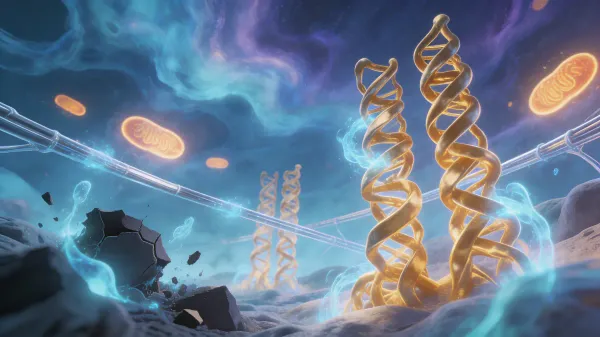
Every time one of your cells divides, a tiny piece of your chromosomes is lost. Not from the genes themselves, but from the protective caps at the ends — your telomeres. These repetitive DNA sequences (TTAGGG in humans) function like the plastic tips on shoelaces: they prevent your chromosomes from fraying, fusing, and losing critical genetic information.
At birth, your telomeres are approximately 10,000–15,000 base pairs long. With each cell division, they shorten by 50–200 base pairs. When they reach a critical minimum length — roughly 4,000–6,000 base pairs — the cell receives a permanent stop signal. It either enters senescence (alive but non-functional), triggers programmed cell death, or, in rare cases, becomes genomically unstable — a precursor to cancer.
This progressive shortening acts as a biological countdown clock. It’s one of the primary hallmarks of aging, directly linked to cellular senescence, tissue degeneration, and many age-related diseases. But the clock doesn’t tick at the same speed for everyone — and the factors that accelerate or slow it are largely within your control.
What you’ll learn:
- How telomeres protect your chromosomes and why they shorten with age
- The role of telomerase — and why it can’t fully prevent aging
- How telomere length connects to disease risk and biological age
- 7 evidence-based strategies to slow telomere attrition
What are telomeres?
Telomeres are repetitive nucleotide sequences (TTAGGG, repeated 1,000–2,500 times) at the ends of every chromosome. They are bound by a protein complex called shelterin, which protects chromosome ends from being recognized as DNA damage.
Quick definition: Telomeres are protective caps at the ends of chromosomes that shorten with each cell division. They prevent chromosome degradation and fusion, acting as a biological clock that limits the number of times a cell can divide before it becomes senescent or dies.
Think of telomeres as a disposable buffer zone. During DNA replication, the cellular machinery cannot fully copy the very end of a linear chromosome — the “end-replication problem.” To prevent the loss of essential genetic information, telomeres sacrifice their own non-coding sequence instead. Each division costs 50–200 base pairs of telomeric DNA — a biological toll that accumulates over a lifetime.
Why telomere length matters for aging
Telomere length is one of the most direct biomarkers of cellular age:
- Short telomeres trigger cellular senescence — cells stop dividing but remain metabolically active, secreting inflammatory factors (the SASP) that damage surrounding tissue
- Critically short telomeres on even a single chromosome can trigger the DNA damage response, halting cell division across the entire cell
- Population studies consistently show that shorter telomere length is associated with higher all-cause mortality, cardiovascular disease risk, and susceptibility to infections
- Telomere length at birth varies by ~5,000 base pairs between individuals, meaning some people start life with a longer biological fuse than others
The science behind telomere shortening
The end-replication problem
DNA replication requires a short RNA primer to initiate synthesis. On the “lagging strand” of DNA replication, the very last RNA primer at the chromosome end cannot be replaced with DNA, leaving a small unreplicated gap. This fundamental limitation of DNA polymerase means that with every cell division, 50–200 base pairs are lost from each telomere.
Over a typical human lifespan (~80 years), actively dividing cells may undergo 40–60 divisions. At 100 base pairs lost per division, that’s 4,000–6,000 base pairs — enough to approach the critical threshold that triggers senescence.
Telomerase: the incomplete solution
Cells have an enzyme — telomerase — that can add telomeric repeats back to chromosome ends, counteracting the end-replication problem. Telomerase consists of two components:
- TERT (telomerase reverse transcriptase) — the catalytic protein subunit
- TERC (telomerase RNA component) — the template for adding TTAGGG repeats
However, telomerase expression is tightly restricted in the human body:
- Highly active: stem cells, germ cells, activated immune cells
- Low or absent: most somatic cells (muscle, liver, brain, skin)
- Reactivated (problematically): ~85–90% of cancers reactivate telomerase to achieve unlimited replication
This asymmetry is a fundamental tradeoff in human biology: broad telomerase activity would prevent cellular aging but dramatically increase cancer risk. Evolution chose the safer option — limited telomerase, shorter lifespan, lower cancer rate during reproductive years.
What accelerates telomere shortening
Beyond the baseline loss from cell division, several factors speed up telomere attrition:
Oxidative stress — ROS directly damage telomeric DNA, which is particularly vulnerable because it contains guanine-rich sequences that are highly susceptible to oxidation. Oxidative damage can cause 5–10x more telomere shortening than the end-replication problem alone.
Chronic inflammation — inflammatory signaling increases cell turnover (more divisions = more shortening) and elevates oxidative stress. Chronic inflammation markers like hs-CRP correlate inversely with telomere length.
Psychological stress — landmark research by Elizabeth Blackburn (Nobel Prize, 2009) and Elissa Epel showed that chronic psychological stress is associated with shorter telomeres and reduced telomerase activity. Caregivers of chronically ill children had telomeres equivalent to 9–17 additional years of aging.
Smoking — each pack-year of smoking shortens telomeres by an estimated 18 base pairs, equivalent to approximately 1 year of additional biological aging per year of heavy smoking.
Poor sleep — adults sleeping less than 6 hours per night have significantly shorter telomeres than those sleeping 7–8 hours. Sleep deprivation increases both oxidative stress and inflammation, compounding telomere damage.
Sedentary lifestyle — physical inactivity is independently associated with shorter telomere length, even after controlling for age, BMI, and smoking status.
Air pollution — chronic exposure to fine particulate matter (PM2.5) accelerates telomere attrition through the same oxidative and inflammatory mechanisms. Population studies associate every 10 μg/m³ increase in long-term PM2.5 exposure with a measurable reduction in leukocyte telomere length — equivalent to several years of biological aging. Air pollution’s effects on telomeres and epigenetic age represent one of the most significant and underappreciated environmental drivers of biological age acceleration.
Endocrine-disrupting chemicals — BPA, PFAS, and phthalates shorten leukocyte telomeres through direct oxidative damage to telomeric DNA and by driving systemic inflammation. Women with the highest urinary BPA concentrations have telomere lengths equivalent to those approximately 5.5 years older than women with the lowest concentrations. Reducing your EDC burden through glass storage, water filtration, and personal care product audits addresses a meaningful and modifiable source of telomere attrition.
Telomere length and longevity: what the research says
- Meta-analyses of over 100,000 participants show that shorter telomere length is associated with 20–30% higher all-cause mortality
- Centenarian studies demonstrate that individuals who live past 100 tend to have longer telomeres than age-matched controls, suggesting slower telomere attrition throughout life
- Twin studies show that the twin with shorter telomeres at baseline has a 3-fold higher mortality risk, even after controlling for shared genetics
- Telomere length variability matters more than average length — having even a few chromosomes with critically short telomeres can trigger senescence and drive aging disproportionately
- The Framingham Heart Study found that each 1 kilobase reduction in telomere length was associated with a 28% increase in cardiovascular disease risk
How telomere shortening connects to other hallmarks
Telomere attrition doesn’t just count divisions — it actively drives other aging processes:
- Cellular senescence: critically short telomeres are the primary trigger for replicative senescence. Senescent cells accumulate in tissues and secrete inflammatory factors that accelerate aging in neighboring cells
- Genomic instability: when telomeres become critically short, they can no longer protect chromosome ends, leading to end-to-end fusions, breakage-fusion-bridge cycles, and genomic chaos
- Stem cell exhaustion: telomere shortening in stem cells limits their proliferative capacity, reducing the body’s ability to regenerate damaged tissues
- Chronic inflammation: senescent cells driven by short telomeres produce the SASP — a cocktail of inflammatory cytokines, proteases, and growth factors that drives systemic inflammaging
- Epigenetic alterations: telomere shortening alters the epigenetic landscape in subtelomeric regions, changing gene expression patterns in ways that promote aging
7 proven ways to slow telomere shortening
While you can’t stop the end-replication problem entirely, you can dramatically influence how fast your telomeres shorten. The following strategies have the strongest evidence for preserving telomere length and, in some cases, modestly increasing it.
1. Exercise regularly — the strongest telomere protector
Why it works: Exercise reduces oxidative stress, lowers chronic inflammation, and directly increases telomerase activity. A 2018 study in the European Heart Journal found that endurance exercise and HIIT both increased telomerase activity by 2–3 fold over 6 months. Regular exercisers have telomeres equivalent to 7–10 years younger than sedentary individuals of the same age.
How to do it:
- Aim for 150–200 minutes/week of moderate aerobic exercise (brisk walking at 3 mph / 4.8 km/h, cycling, swimming)
- Include 2–3 high-intensity interval sessions per week — these show the strongest telomerase activation
- Add 2 resistance training sessions — maintains muscle mass and reduces inflammatory burden
- Avoid chronic overtraining — extreme exercise volume without recovery can paradoxically increase oxidative stress
Expected results: Measurable telomerase activation within 3–6 months; telomere length stabilization over 1–2 years.
2. Manage psychological stress
Why it works: Chronic stress suppresses telomerase activity and accelerates telomere shortening through cortisol-mediated oxidative stress and inflammation. Elizabeth Blackburn’s Nobel Prize-winning research showed that perceived stress level correlates with both telomere length and telomerase activity — and that stress management can reverse these effects. Research on chronic stress and epigenetic aging reveals that caregivers under sustained stress showed telomere shortening equivalent to 9–17 years of additional aging.
How to do it:
- Practice meditation or mindfulness for 10–15 minutes daily — Kirtan Kriya practice produced a 43% increase in telomerase activity in just 8 weeks
- Maintain strong social connections — loneliness is an independent telomere-shortening factor
- Engage in nature exposure — forest bathing and outdoor time reduce cortisol and oxidative stress
- Seek professional support for chronic stress, anxiety, or trauma
Expected results: Increased telomerase activity within 8–12 weeks of regular meditation practice.
3. Eat a Mediterranean-style diet rich in antioxidants
Why it works: Oxidative damage is the primary driver of telomere attrition beyond cell division. Antioxidant-rich diets neutralize ROS before they can damage telomeric DNA. The Mediterranean diet — rich in omega-3s, polyphenols, and fiber — is associated with significantly longer telomeres in multiple large cohort studies.
How to do it:
- Emphasize vegetables, fruits, whole grains, legumes, nuts, and olive oil
- Include omega-3-rich fish 2–3 times per week (salmon, sardines, mackerel)
- Consume polyphenol-rich foods daily: berries, green tea, dark chocolate
- Minimize ultra-processed foods, added sugars, and refined carbohydrates — all associated with shorter telomeres
Expected results: Reduced oxidative stress markers within 4–8 weeks; telomere-protective effects accumulate over months to years.
4. Prioritize quality sleep
Why it works: Sleep is when cells perform DNA repair, including repair of telomeric damage. Adults sleeping less than 6 hours per night have significantly shorter telomeres than those sleeping 7+ hours. Poor sleep quality — even with adequate duration — impairs telomere maintenance through increased cortisol and inflammatory cytokine production. Improving deep sleep quality is one of the most accessible tools for DNA repair optimization.
How to do it:
- Target 7–9 hours of total sleep per night
- Maintain consistent sleep-wake schedules (±30 minutes, including weekends)
- Optimize deep sleep — the stage most associated with DNA repair
- Address sleep disorders: sleep apnea is independently associated with accelerated telomere shortening
Expected results: Improved DNA repair efficiency within weeks; cumulative telomere benefits over months.
5. Stop smoking and limit alcohol
Why it works: Smoking shortens telomeres by approximately 18 base pairs per pack-year — a dose-dependent acceleration of biological aging. The mechanism involves direct oxidative damage to telomeric DNA, chronic inflammation, and increased cell turnover in lung and vascular tissues. Excessive alcohol consumption similarly increases oxidative stress and impairs DNA repair.
How to do it:
- If you smoke, quitting is the single most impactful intervention for telomere preservation
- Limit alcohol to moderate levels (or less) — no amount of alcohol has been shown to benefit telomeres
- Be aware that secondhand smoke exposure also accelerates telomere shortening
Expected results: Slowed telomere attrition begins immediately upon smoking cessation; partial recovery of telomerase activity over months.
6. Maintain a healthy body composition
Why it works: Excess visceral fat produces chronic low-grade inflammation (adipose tissue is a major source of inflammatory cytokines) and increases oxidative stress — both primary drivers of accelerated telomere shortening. Obesity is associated with telomeres equivalent to 8–9 years of additional aging. Conversely, a healthy BMI and low visceral fat are associated with slower telomere attrition.
How to do it:
- Focus on reducing visceral fat through a combination of exercise and dietary quality
- Monitor waist circumference as a practical proxy for visceral fat
- Prioritize sustainable weight management over crash dieting — extreme caloric restriction without adequate nutrition can also damage telomeres
Expected results: Reduced inflammatory burden and slower telomere shortening within months of achieving healthier body composition.
7. Practice intermittent fasting
Why it works: Fasting activates autophagy, which clears damaged cellular components — including some dysfunctional proteins associated with impaired telomere maintenance. Fasting also reduces oxidative stress, activates AMPK, and may support telomerase activity through sirtuin activation. Studies in C. elegans and rodents show that caloric restriction preserves telomere length.
How to do it:
- Start with a 12-hour overnight fast and gradually extend to 14–16 hours if comfortable
- Time-restricted eating within an 8–10 hour window provides consistent benefits
- Ensure adequate nutrition during eating windows — micronutrient deficiencies can impair telomere maintenance
- Periodic longer fasts (24 hours, monthly) may provide additional autophagy-mediated benefits
Expected results: Reduced oxidative stress within days; potential telomere-protective effects over months of consistent practice.
How to track telomere-related health
Direct telomere length testing is available through specialized services (using qPCR or flow-FISH methods on blood samples), but it’s not yet part of routine clinical care. Several proxy biomarkers and functional markers reflect the downstream effects of telomere health:
| Metric | Connection to telomeres | How to track |
|---|---|---|
| Biological age | Integrates markers correlated with telomere length | SuperAge app |
| Resting heart rate | Lower RHR correlates with longer telomeres | Apple Watch / SuperAge |
| HRV | Higher HRV associated with slower telomere shortening | Apple Watch / SuperAge |
| hs-CRP | Chronic inflammation accelerates telomere attrition | Blood test |
| Fasting glucose | Insulin resistance linked to shorter telomeres | Blood test |
| White blood cell count | Reflects immune cell turnover and telomere burden | Blood test |
How SuperAge helps you protect your telomeres
Direct telomere measurement requires a specialized lab test, but SuperAge supports entering the blood biomarkers most strongly correlated with telomere health (hs-CRP, fasting insulin, HbA1c, vitamin D) alongside the lifestyle factors that drive them.
Stress and recovery monitoring
Chronic stress is one of the most potent accelerators of telomere shortening. SuperAge tracks HRV, stress levels, and recovery metrics through Apple Watch — giving you real-time visibility into the autonomic balance that influences telomere maintenance.
Exercise and consistency tracking
Regular exercise is the strongest evidence-based intervention for preserving telomere length. SuperAge monitors your training load, exercise consistency, and workout types to ensure you’re getting the protective stimulus your telomeres need.
Biological age as a telomere proxy
Your biological age reflects the cumulative impact of the same factors that determine telomere length — exercise, sleep, stress, body composition, and metabolic health. Tracking your biological age over time provides a practical window into how fast your cellular clocks are ticking.
Frequently asked questions
Can you lengthen your telomeres?
Modestly, yes. Studies show that comprehensive lifestyle changes — including exercise, Mediterranean diet, stress management, and social connection — can increase telomerase activity by 30% and modestly lengthen telomeres over 3–5 years. However, dramatic lengthening is not currently achievable through lifestyle alone. Gene therapy approaches to activate telomerase are being researched but carry significant cancer risk concerns.
How is telomere length measured?
The most common methods are quantitative PCR (qPCR), which measures average telomere length relative to a reference gene, and flow-FISH, which measures telomere length in individual immune cells. Southern blot (TRF analysis) is the gold standard but more labor-intensive. Consumer telomere tests typically use qPCR and report results relative to age-matched populations.
Do telomeres cause aging or just correlate with it?
Both. Telomere shortening is both a consequence of cell division and a cause of further aging. When telomeres reach critically short lengths, they trigger cellular senescence — cells that stop dividing but produce inflammatory factors that damage surrounding tissue. This causal role is confirmed by experiments showing that artificially shortening telomeres accelerates aging, while maintaining telomere length slows it.
What’s the relationship between telomeres and cancer?
It’s paradoxical. Short telomeres increase cancer risk by promoting genomic instability (chromosome fusions, mutations). But long telomeres can also increase cancer risk by allowing cells to divide more times before senescence — more divisions mean more opportunities for cancer-driving mutations. Approximately 85–90% of cancers reactivate telomerase to achieve unlimited replication. This is why therapeutic telomerase activation must be approached cautiously. For a broader look at why cancer risk rises with age, the telomere-genomic instability link is one of several converging mechanisms.
At what age do telomeres start affecting health?
Telomere shortening begins at birth and is continuous throughout life. However, the functional consequences typically become apparent after age 50–60, when enough cells in critical tissues have reached the senescence threshold. People with accelerated telomere shortening (due to stress, smoking, sedentary lifestyle) may experience these effects 10–20 years earlier.
Key takeaways
- Telomeres are your cellular countdown clock: they shorten with each cell division, and critically short telomeres trigger senescence, inflammation, and tissue degeneration
- The rate of shortening is modifiable: oxidative stress, chronic inflammation, psychological stress, and smoking accelerate telomere loss far beyond the baseline rate
- Exercise is the most potent protector: regular physical activity increases telomerase activity by 2–3 fold and is associated with telomeres 7–10 years younger
- Stress management matters as much as diet: chronic stress can shorten telomeres by the equivalent of 9–17 years of additional aging
- Track the inputs, not just the outputs: monitoring exercise, sleep, stress, and inflammation gives you a real-time window into how fast your telomere clock is ticking
Start protecting your biological clock today
Your telomeres are counting down with every cell division. But how fast that clock ticks — that’s largely up to you. Exercise, stress management, quality sleep, and smart nutrition can slow the countdown dramatically.
Ready to take control? Download SuperAge and start tracking the lifestyle factors that determine how fast your cellular clock is ticking.
References
- Blackburn, E.H., Epel, E.S. & Lin, J. (2015). “Human telomere biology: A contributory and interactive factor in aging, disease risks, and protection.” Science, 350(6265), 1193–1198 — Nobel Prize-winning telomere research
- López-Otín, C., et al. (2023). “Hallmarks of aging: An expanding universe.” Cell, 186(2), 243–278 — Telomere attrition as a primary hallmark
- Shammas, M.A. (2011). “Telomeres, lifestyle, cancer, and aging.” Current Opinion in Clinical Nutrition & Metabolic Care, 14(1), 28–34 — Lifestyle effects on telomere length
- Werner, C.M., et al. (2019). “Differential effects of endurance, interval, and resistance training on telomerase activity and telomere length.” European Heart Journal, 40(1), 34–46 — Exercise and telomerase activation
- Epel, E.S., et al. (2004). “Accelerated telomere shortening in response to life stress.” PNAS, 101(49), 17312–17315 — Stress-telomere connection
- Cawthon, R.M., et al. (2003). “Association between telomere length in blood and mortality in people aged 60 years or older.” The Lancet, 361(9355), 393–395 — Telomere length and mortality
- Haycock, P.C., et al. (2014). “Leucocyte telomere length and risk of cardiovascular disease: systematic review and meta-analysis.” BMJ, 349, g4227 — Telomere-CVD association
Last updated: 2026-03-12. This article is regularly reviewed to ensure accuracy.
Related Articles
Senolytics: Can clearing zombie cells actually reverse aging?
Senescent 'zombie' cells accumulate with age and drive inflammation, disease, and biological aging. Learn how senolytics work and what the science actually shows.