Blog


Mental health and biological aging: the mind-body connection
Discover how stress, depression, loneliness, and psychological wellbeing directly affect your biological age. Evidence-based mental health strategies for longevity.
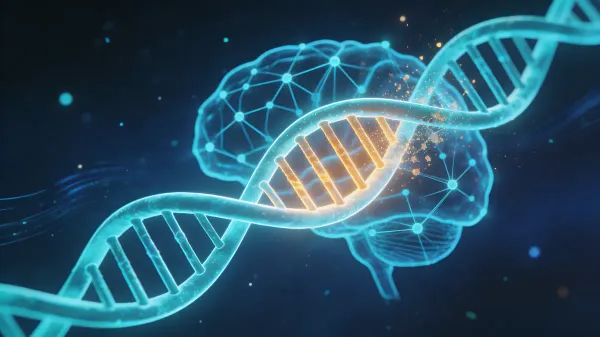
ApoE genotype and Alzheimer's risk: what genes tell you (and don't)
ApoE4 raises Alzheimer's risk but is not a diagnosis. Learn what one or two ε4 copies mean, when testing helps, and which brain-aging levers matter.

Depression and accelerated aging: the biological link
Depression is linked with inflammation, cortisol disruption, telomere shortening, and faster biological aging. Learn what evidence shows and when to seek help.
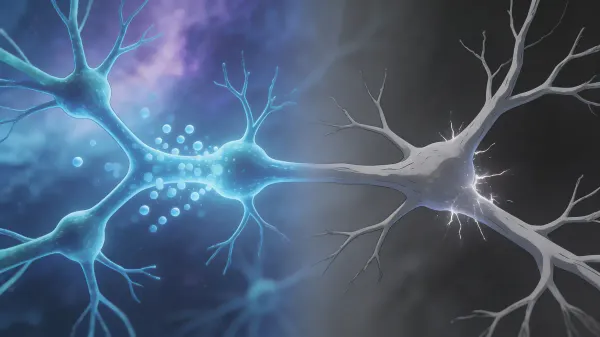
GABA and aging: sleep, stress, and what the evidence says
GABA supports sleep, stress resilience, and cognition. Learn what aging research shows, what oral GABA can and cannot do, and practical ways to support calm.

Hearing loss and cognitive decline: the underrated connection that accelerates aging
Hearing loss is the #1 modifiable risk factor for dementia. Learn how untreated hearing loss accelerates brain aging and what you can do to protect your cognition.

Serotonin and aging: why mood regulation gets harder after 40
Serotonin receptors decline 10-15% per decade after 40. Learn why mood regulation gets harder with age and how to protect your serotonin system for longevity.
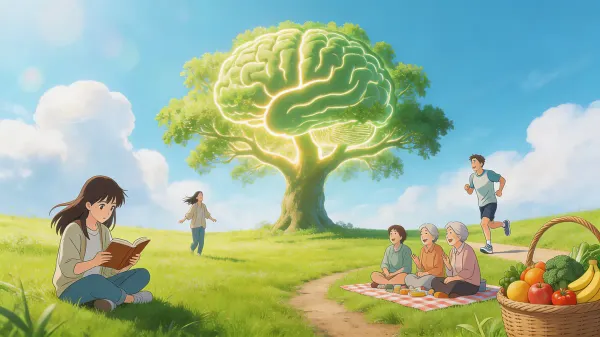
Alzheimer's prevention: 14 modifiable risk factors that account for 45% of cases
The 2024 Lancet Commission identifies 14 modifiable dementia risk factors. Learn which ones can be changed to help protect long-term brain health.
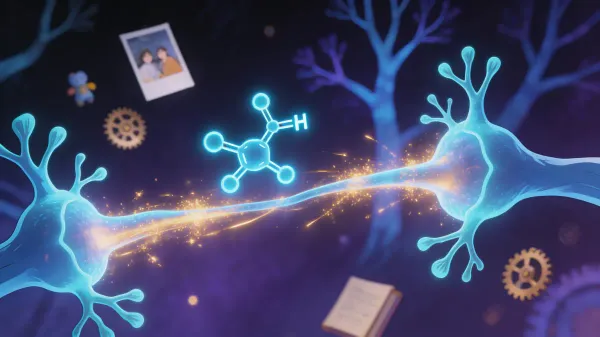
Acetylcholine and aging: Why your memory neurotransmitter declines and how to protect it
Acetylcholine supports memory, attention, sleep, and vagal tone. Learn what changes with age, how choline intake matters, and safer ways to track it.
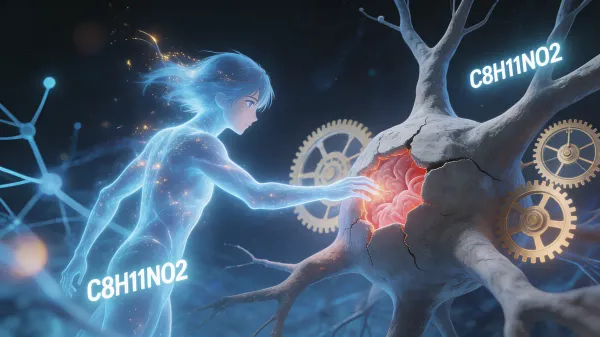
Dopamine and aging: Why motivation fades and how to restore it
Dopamine receptors and transporters decline with age. Learn how that affects motivation, reward, movement and the habits that support brain aging.