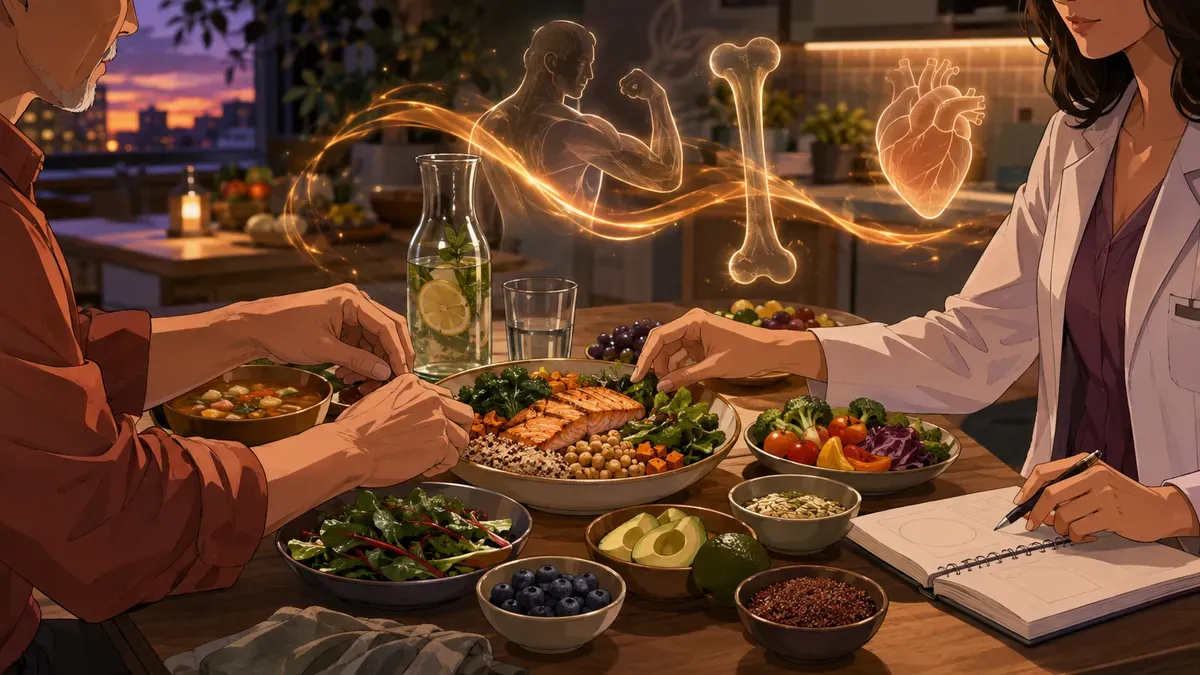
Prostate cancer nutrition during treatment: an evidence-based guide
Learn what to eat during prostate cancer treatment, adapt meals for side effects, protect muscle and bone, and avoid unsupported diet or supplement claims.
Nutrition during prostate cancer treatment has three practical jobs: help you eat enough, preserve muscle and bone, and reduce the burden of treatment side effects. A mostly plant-forward, heart-healthy pattern is a sensible long-term foundation when you are eating normally. But surgery, pelvic radiotherapy, androgen deprivation therapy (ADT), chemotherapy, and advanced disease create different needs. The right plan is the one matched to your treatment, symptoms, weight trend, kidney function, and clinical team—not a universal list of “cancer-fighting” foods.
Diet does not replace surgery, radiotherapy, hormone therapy, chemotherapy, immunotherapy, or active surveillance. No food, supplement, fasting schedule, ketogenic diet, or juice protocol has been proved to cure prostate cancer. Nutrition is supportive care: it can make treatment more tolerable, protect health that treatment may challenge, and help you recover.
Quick answer
If you can eat normally, build most meals from vegetables or fruit, whole grains or other minimally processed carbohydrates, beans or another protein-rich food, and unsaturated fats. Include a meaningful protein source at each meal, drink enough fluid, and keep alcohol low or avoid it. During appetite loss, diarrhea, nausea, or recovery from surgery, adequate calories and protein take priority over a “perfect” diet. Temporary lower-fiber or higher-energy choices may be appropriate even if they differ from your usual healthy pattern.
Ask your oncology team for a registered dietitian when weight is falling, eating has become difficult, you have persistent bowel symptoms, you take supplements, or ADT is changing your weight, glucose, cholesterol, muscle, or bone health.
Key facts
- Prostate cancer treatment changes nutrition priorities according to symptoms, body composition, and treatment phase.
- Adequate energy and protein preserve tissue when poor appetite, inflammation, surgery, or systemic treatment threaten weight and muscle.
- A plant-forward dietary pattern supports cardiovascular and metabolic health without functioning as a cancer treatment.
- Short-term symptom adaptations improve intake when nausea, diarrhea, constipation, taste changes, or fatigue make normal eating difficult.
- High-dose supplements can create harm or interactions and should not be used as unproven anticancer therapy.
Start with the treatment phase, not a forbidden-food list
“What should I eat?” means something different for a person preparing for prostatectomy, someone following a bladder-and-bowel protocol for radiotherapy, and someone managing years of ADT. A useful plan starts with the clinical problem that food can actually help solve.
| Situation | Main nutrition goal | Practical emphasis | Ask the care team about |
|---|---|---|---|
| Active surveillance | Support overall and cardiovascular health | Sustainable plant-forward meals, healthy weight, regular activity | Whether weight loss is appropriate and how diet fits the surveillance plan |
| Before and after surgery | Enter treatment nourished and support healing | Protein, adequate energy, fluid, and a gradual return to usual fiber | Preoperative instructions, constipation, nausea, and wound-healing needs |
| Pelvic radiotherapy | Maintain intake while limiting bowel or bladder irritation | Follow the treatment center’s preparation plan; adjust fiber and triggers temporarily if symptoms occur | Required bladder filling, bowel preparation, diarrhea, urinary irritation |
| ADT or hormone therapy | Protect muscle, bone, glucose control, and heart health | Protein at meals, minimally processed foods, calcium-rich foods, resistance exercise if cleared | Weight trend, lipids, glucose, vitamin D status, bone-density testing |
| Chemotherapy or advanced disease | Prevent or treat undernutrition and dehydration | Small frequent meals, energy-dense foods, symptom-specific textures and food safety | Antiemetics, swallowing issues, infection precautions, dietitian referral |
Instructions from your radiotherapy or surgical team take precedence over general internet advice. Some centers need a consistent bowel and bladder state for treatment accuracy. That short-term preparation protocol is not necessarily the diet you should follow for the rest of survivorship.
The long-term eating pattern when food is going well
When appetite, digestion, and weight are stable, use a flexible pattern rather than searching for one protective ingredient.
Make plants the base, not the medicine
Vegetables, fruit, beans, lentils, whole grains, nuts, and seeds provide fiber, micronutrients, and a wide range of phytochemicals. They also make it easier to build a dietary pattern that supports bowel function, blood pressure, cholesterol, and glucose control. Our evidence review of plant-based diets explains why food quality matters more than simply removing animal foods.
This is a health pattern, not proof that vegetables stop prostate cancer. In the 478-participant MEAL randomized trial, counseling successfully increased vegetable intake among men with early-stage prostate cancer on active surveillance, but it did not significantly reduce two-year disease progression. That result is important: nutritious food can be worth eating without being sold as tumor therapy.
Put a protein anchor in each meal
Protein helps maintain and rebuild muscle. Beans, lentils, soy foods, fish, eggs, poultry, dairy foods, and other tolerated sources can all contribute. The European Society for Clinical Nutrition and Metabolism advises more than 0.45 grams per pound per day (more than 1.0 g/kg/day), and up to about 0.68 grams per pound (1.5 g/kg/day) when appropriate, for people with cancer. That is a clinical range, not a self-prescription. Kidney disease, fluid restrictions, severe liver disease, and other conditions can change the target.
Instead of trying to consume most protein at dinner, distribute it across breakfast, lunch, dinner, and snacks as needed. If normal portions are difficult, softer and more concentrated options—yogurt, eggs, tofu, blended bean soup, fish, nut butter, or a clinician-approved oral nutrition drink—may be easier. See our guide to protein sources after 50 for ways to vary the source while keeping meals practical.
Choose fats and carbohydrates for the whole health picture
Favor olive oil, nuts, seeds, avocado, and fish over frequent high-saturated-fat foods. Choose whole grains, potatoes, oats, fruit, and legumes more often than sugary drinks and heavily refined snacks when your gut tolerates them. This resembles the anti-inflammatory diet framework, but the useful outcome here is a sustainable, nutrient-dense pattern—not a promise to “starve” cancer or manipulate inflammation with a single food.
Treat weight as a clinical signal
Intentional fat loss may help some people with excess weight who are stable after treatment, but active treatment is usually a poor time for aggressive dieting. Unplanned weight loss, weaker grip, looser clothing, reduced food intake, and difficulty completing normal activities can signal loss of muscle as well as fat. At the other extreme, ADT can increase waist size and fat mass while muscle falls. A stable scale can therefore hide an unfavorable body-composition change.
The aim is not one “ideal” number. It is to maintain function and avoid both undernutrition and unnecessary metabolic risk. Discuss any deliberate weight-loss plan with the treatment team, particularly during recovery or systemic therapy.
Adapt nutrition to common treatment effects
After prostate surgery
Follow the hospital’s fasting, fluid, and bowel instructions exactly. Once you are allowed to eat, small meals may feel easier than large ones. Include protein regularly and increase normal fiber gradually as your bowel function returns. Walking as advised, adequate fluid, and foods such as oats, fruit, vegetables, or prunes can help constipation, but only when they fit your postoperative instructions.
Pain medicines, reduced movement, and a sudden diet change can all slow the bowel. Contact the surgical team for severe or worsening abdominal pain, vomiting, a swollen abdomen, fever, inability to pass gas, or constipation that does not respond to the plan they gave you.
During pelvic radiotherapy
Radiotherapy near the prostate can cause diarrhea, urgency, gas, cramping, or bladder irritation. Do not pre-emptively remove every high-fiber food for the entire course. If diarrhea develops, the care team may recommend a temporary lower-fiber, lower-fat plan, smaller meals, and extra fluids. Foods that are spicy, greasy, gas-forming, high in sugar alcohols, caffeinated, or alcoholic can aggravate symptoms in some people, but tolerance varies.
Your center may also prescribe a reproducible bowel and bladder routine before each session. Follow that protocol rather than copying another patient’s plan. Report persistent diarrhea, blood in stool or urine, dizziness, fever, reduced urine output, or inability to drink; these need assessment, not just a food swap.
During androgen deprivation therapy
ADT can reduce lean mass and bone density while increasing fat mass and cardiometabolic risk. Nutrition should work alongside medically cleared resistance and aerobic activity. Build meals around a protein source, vegetables or fruit, high-fiber carbohydrates when tolerated, and unsaturated fats. Minimize routine sugary drinks, heavily processed snacks, and frequent processed meat without turning the plan into an extreme diet.
Calcium and vitamin D matter for bone health, but more is not automatically better. Start with calcium-containing foods—dairy or fortified alternatives, tofu set with calcium, some leafy greens, and fish with edible bones—and ask the clinical team whether intake, vitamin D testing, supplements, or bone-protective treatment are needed. Our calcium-rich plant foods guide can help diversify food sources, but an oncology-specific target must account for the treatment plan and total intake.
A 2024 systematic review found that dietary interventions for people receiving ADT showed inconsistent cardiometabolic effects and were not strong enough to define one best therapeutic diet. That uncertainty supports a cautious strategy: use established heart-healthy principles, monitor objective risk markers, and avoid claiming that a named diet reverses ADT effects.
During chemotherapy or advanced disease
When appetite is low, “eat what you can tolerate” is often safer than enforcing a restrictive wellness diet. Try five or six small eating opportunities, keep ready-to-eat protein foods available, and add energy with olive oil, nut butter, avocado, dairy or fortified alternatives, or other tolerated ingredients. Cold or room-temperature foods may smell less intense when nausea or taste changes are present.
Food-safety advice may change when white blood cells are low. Clean hands and surfaces, separate raw animal foods, cook foods thoroughly, chill leftovers promptly, and follow any extra precautions from the oncology team. Do not start a highly restrictive diet, fasting protocol, or raw-food regimen when intake and infection safety are already under pressure.
A symptom-first food toolkit
Short-term changes are tools, not moral judgments about “good” and “bad” foods.
| Symptom | Options that may be easier | Common aggravators to test temporarily | When to call |
|---|---|---|---|
| Nausea | Small meals, cool foods, dry toast or crackers, bland protein, frequent sips | Large fatty meals, strong odors, alcohol | Repeated vomiting, inability to keep fluids down, dizziness |
| Diarrhea | Fluids, broth, bananas, potatoes, rice, toast, tolerated lean protein | High-fat meals, alcohol, caffeine, sugar alcohols, large amounts of insoluble fiber | Blood, fever, severe pain, dehydration, persistent or frequent diarrhea |
| Constipation | Fluid, gradual fiber, fruit, oats, beans if tolerated, gentle movement if cleared | Too little fluid, abrupt fiber increases when dehydrated | Vomiting, swollen abdomen, severe pain, no gas, persistent symptoms |
| Poor appetite | Small frequent meals, protein-rich snacks, energy-dense additions | Filling up on low-calorie drinks before meals | Falling weight, weakness, intake staying markedly below normal |
| Taste changes | Plastic cutlery for metallic taste, tart flavors if the mouth is healthy, marinades, cool foods | Foods that taste unusually bitter or metallic | Mouth sores, pain with swallowing, inability to eat |
| Dry or sore mouth | Soft moist foods, sauces, soups, frequent sips | Alcohol, tobacco, rough, acidic, or spicy foods if painful | White patches, fever, dehydration, worsening pain |
Medication can be more effective than diet alone for nausea, diarrhea, constipation, reflux, or mouth pain. Tell the team early; struggling silently until intake collapses makes recovery harder.
Diet, ADT, and the wider aging picture
Prostate cancer care can affect systems that also shape functional and biological aging: muscle mass, glucose regulation, cardiovascular fitness, sleep, inflammation, and bone strength. That does not mean a biological-age score can monitor a tumor or treatment response—it cannot. PSA, imaging, pathology, symptoms, and oncology follow-up remain the clinical tools.
It does mean that useful supportive goals can be measured. With your care team, track weight trend, waist change, strength or daily function, blood pressure, glucose or HbA1c, lipids, and bone health when ADT makes those relevant. Our broader guide to prostate health after 50 provides context for prostate aging, while cancer and aging explains why cancer risk and whole-body aging overlap without being interchangeable.
How SuperAge can support health around treatment
SuperAge can help organize lifestyle context such as activity, sleep, recovery, and long-term trends. It is not a cancer diagnostic tool and should never be used to change treatment, interpret PSA, or replace a clinical nutrition assessment.
Supplements, “superfoods,” fasting, and anticancer diets
The safest default is food first and disclosure always. Give the oncology team a complete list of vitamins, minerals, herbs, powders, teas, and sports supplements, including doses. Supplements may interact with treatment, worsen bleeding or bowel symptoms, add excessive nutrients, or provide inconsistent amounts compared with the label.
High-dose antioxidant supplements are not a harmless shortcut. ESPEN advises supplying vitamins and minerals near recommended daily amounts and discourages high-dose micronutrients when there is no documented deficiency. In the large SELECT trial, vitamin E supplementation did not prevent prostate cancer and was associated with a 17% higher incidence compared with placebo on updated follow-up. Selenium also failed to prevent prostate cancer and may be harmful in some people with adequate baseline status.
Evidence is also insufficient to use lycopene, green-tea extract, pomegranate products, soy supplements, ketogenic diets, juice cleanses, or prolonged fasting as prostate cancer treatment. Whole tomatoes, tea, pomegranate arils, and soy foods can fit an ordinary diet if tolerated; that does not turn their isolated compounds into proven therapy. Extreme restriction can reduce energy, protein, and micronutrient intake when the body needs them most.
Use a supplement when a clinician identifies a need, checks the treatment context, and sets an appropriate dose—for example, correcting a measured deficiency or supporting bone health during ADT. “Natural” does not answer whether it is effective, pure, or compatible with treatment.
A practical meal-building template
Rather than following a rigid menu, combine one item from each row and adjust portion size to appetite and clinical needs.
| Role | Everyday options when tolerated | Higher-energy or gentler options when intake is difficult |
|---|---|---|
| Protein | Beans, lentils, tofu, fish, eggs, poultry, yogurt | Greek-style yogurt, eggs, silken tofu, flaky fish, smooth nut butter, fortified drink |
| Carbohydrate | Oats, brown rice, whole-grain bread, potatoes, quinoa | White rice, pasta, mashed potato, toast, refined cereal during bowel symptoms |
| Produce | Cooked or raw vegetables, fruit, berries | Soft cooked vegetables, peeled or canned fruit, smooth soup, applesauce |
| Fat and flavor | Olive oil, nuts, seeds, avocado, herbs | Olive oil, nut butter, avocado, mild sauces added to small portions |
| Fluid | Water, milk or fortified alternative, soup, unsweetened drinks | Frequent small sips, oral rehydration as clinically advised, ice chips |
A breakfast might be oats with yogurt and fruit; lunch could be lentil soup with bread and olive oil; dinner might pair fish or tofu with potatoes and cooked vegetables. During diarrhea, the same structure can temporarily shift toward white rice, smooth nut butter, eggs, fish, peeled fruit, and well-cooked vegetables. During poor appetite, reduce volume and increase energy density rather than forcing a large plate.
When to request specialist nutrition support
Ask for a registered dietitian with oncology experience if any of these apply:
- weight is falling without intention or clothing is rapidly becoming loose;
- appetite or intake remains substantially below normal;
- diarrhea, vomiting, constipation, mouth pain, or swallowing difficulty persists;
- you are losing strength or struggling with ordinary activities;
- kidney disease, diabetes, heart disease, or food allergies complicate the plan;
- you need a radiotherapy preparation diet or a recovery plan after surgery;
- ADT is changing weight, glucose, cholesterol, muscle, or bone health;
- you want to fast, follow a ketogenic or highly restrictive diet, or use supplements.
Bring a three-day food-and-symptom record, your medication and supplement list, recent weight changes, and the exact treatment schedule. That gives the dietitian more useful information than a generic request for “the best prostate diet.”
Questions to take to your oncology team
- Is my current goal weight maintenance, weight gain, or gradual fat loss?
- Do I need a specific bowel or bladder protocol for radiotherapy?
- What protein target fits my body size, kidney function, and treatment?
- Should my glucose, lipids, vitamin D, or bone density be monitored during ADT?
- Could any of my supplements interact with treatment or surgery?
- Which symptoms should trigger a same-day call?
- Can you refer me to an oncology dietitian?
Frequently asked questions
Can diet shrink or cure prostate cancer?
No diet has been proved to cure prostate cancer or replace standard treatment. Nutrition can support strength, symptom management, cardiovascular health, and recovery. The MEAL randomized trial also showed why disease claims require caution: increasing vegetable intake did not significantly slow progression over two years in men with early-stage disease on active surveillance.
What foods should I avoid during prostate cancer treatment?
There is no universal prohibited-food list. Avoid foods that conflict with surgical or radiotherapy instructions, worsen active symptoms, or create a food-safety risk. Keep alcohol low or avoid it, limit processed meat and heavily processed foods as a long-term pattern, and review supplements with the clinical team. Temporary low-fiber choices may be useful for diarrhea but are not automatically a permanent diet.
Should I stop eating dairy or calcium?
Not automatically. Calcium is important for bone health, particularly when ADT increases bone loss. Very high calcium intake should not be pursued without advice, but eliminating calcium-rich foods can also be harmful. Ask the care team to consider total food and supplement intake, vitamin D status, and bone-density risk.
Is soy safe after a prostate cancer diagnosis?
Whole soy foods such as tofu, edamame, tempeh, and fortified soy milk can provide protein and fit a balanced diet. Evidence does not justify using concentrated soy or isoflavone supplements as cancer treatment. Tell the oncology team about any supplement rather than assuming a food extract behaves like the food.
Do I need extra protein during treatment?
Many people with cancer benefit from more than the minimum intake used for healthy adults, especially when surgery, poor appetite, inactivity, or systemic treatment threatens muscle. ESPEN suggests more than 0.45 g/lb/day (1.0 g/kg/day) and, when appropriate, up to about 0.68 g/lb/day (1.5 g/kg/day). A dietitian should personalize that range when kidney function, weight change, or other conditions matter.
Is fasting or a ketogenic diet helpful for prostate cancer?
Neither is established treatment. Human trials have not shown that these strategies reproducibly cure cancer or prevent recurrence, and restriction can worsen inadequate intake or weight loss. If you are interested in a research protocol, discuss it with the oncology team rather than fasting around treatment on your own.
What should I eat when radiotherapy causes diarrhea?
Follow the treatment center’s instructions. A temporary lower-fiber, lower-fat plan with small meals and extra fluid may help. Rice, potatoes, toast, bananas, eggs, fish, tofu, or other tolerated foods can be practical. Contact the team for blood, fever, severe pain, dizziness, reduced urination, or persistent diarrhea.
Key takeaways
- Match food choices to treatment phase, symptoms, and weight trend.
- Use a plant-forward, heart-healthy pattern when eating normally, but prioritize adequate calories and protein when intake is difficult.
- Protect muscle and bone during ADT with clinician-guided nutrition, activity, and monitoring.
- Treat short-term lower-fiber or higher-energy eating as a symptom tool, not a permanent failure of healthy eating.
- Do not use supplements, fasting, or restrictive diets as substitute cancer treatment.
- Ask for an oncology dietitian before weight or strength declines become severe.
Track the health around treatment
Use your care team’s clinical plan for cancer decisions. For the day-to-day health around that plan, download SuperAge to organize activity, sleep, recovery, and long-term wellness trends without treating them as tumor markers.
References
- Rock CL, Thomson CA, Sullivan KR, et al. “American Cancer Society nutrition and physical activity guideline for cancer survivors.” CA: A Cancer Journal for Clinicians. 2022;72(3):230–262. doi:10.3322/caac.21719
- Muscaritoli M, Arends J, Bachmann P, et al. “ESPEN practical guideline: Clinical Nutrition in cancer.” Clinical Nutrition. 2021;40(5):2898–2913. doi:10.1016/j.clnu.2021.02.005
- National Cancer Institute. Nutrition during cancer treatment.
- National Cancer Institute. Eating Hints: Before, during, and after Cancer Treatment.
- National Cancer Institute. Nutrition in Cancer Care (PDQ), health professional version.
- Parsons JK, Zahrieh D, Mohler JL, et al. “Effect of a behavioral intervention to increase vegetable consumption on cancer progression among men with early-stage prostate cancer.” JAMA. 2020;323(2):140–148. doi:10.1001/jama.2019.20207
- National Cancer Institute. Prostate Cancer, Nutrition, and Dietary Supplements (PDQ), health professional version.
- World Cancer Research Fund International. After a cancer diagnosis, follow our Recommendations, if you can.
- Prostate Cancer UK. Diet and prostate cancer.
- Wilson RL, Taaffe DR, Newton RU, et al. “The effect of dietary interventions or patterns on the cardiometabolic health of individuals treated with androgen deprivation therapy for prostate cancer: A systematic review.” Maturitas. 2024;184:107940. doi:10.1016/j.maturitas.2024.107940
- National Cancer Institute. Hormone therapy for prostate cancer.
- American Cancer Society. Nutrition and physical activity guideline for cancer survivors.
Related Articles

Running muscle cramps: relief, prevention, and when to stop
Running muscle cramps need more than extra salt. Learn safe relief, warning signs, evidence on hydration and supplements, and a practical recurrence plan.