Organ meats and liver: forgotten longevity superfoods
Why liver, heart and organ meats are the most nutrient-dense foods on earth for slower aging: vitamin A, B12, CoQ10, choline and bioavailable iron.
For most of human history, organ meats were not “exotic” foods — they were the first cuts eaten, reserved for pregnant women, hunters, and elders. Traditional cuisines across the globe, from French cassoulet to Mexican barbacoa to Japanese motsunabe, still honor this practice. Yet in modern Western supermarkets, liver, heart, and kidney have been pushed to the margins, replaced almost entirely by muscle meat.
This shift has consequences. On a per-gram basis, beef liver is the most nutrient-dense food humans eat — more vitamin A than sweet potato, more iron than spinach, more B12 than any plant source, more CoQ10 than an entire meal of sardines. A single 3.5 oz (100 g) serving of liver once a week can fill nutritional gaps that multivitamins only partially patch.
For anyone serious about lowering biological age, organ meats are the most overlooked high-leverage food. This guide shows you what makes them special, which organs to prioritize, and how to reintroduce them without ever tasting “liver-ish.”
What you’ll learn:
- Why organ meats are genuinely the most nutrient-dense food group
- Which organs deliver which longevity compounds
- How often to eat them for measurable biomarker improvement
- Practical ways to hide the flavor if you don’t like it
What are organ meats?
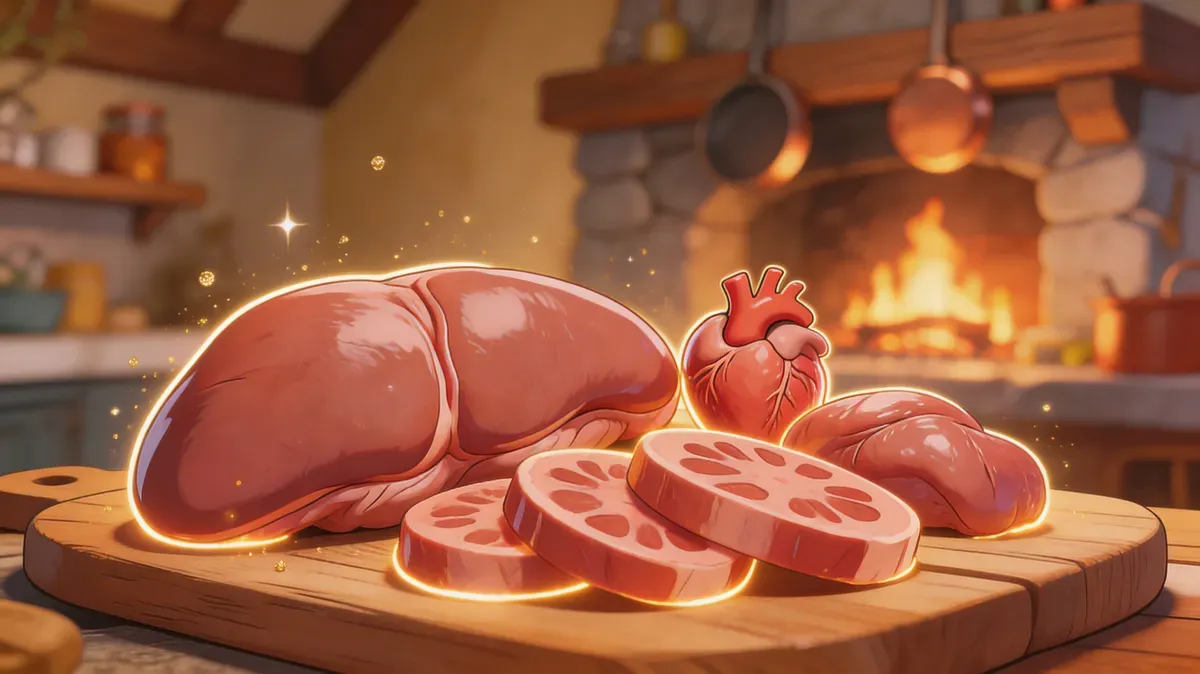
Organ meats — often called “offal” or “variety meats” — are the non-muscle tissues of animals: liver, heart, kidney, tongue, brain, tripe, bone marrow, and sweetbreads.
Quick definition: Organ meats are nutrient-dense cuts from animal organs that concentrate vitamins, minerals, and cofactors at levels muscle meat cannot match — making them the most nutritionally efficient food group per calorie.
Why organs are denser than muscle
Muscle meat (steak, chicken breast) is primarily protein and fat. Organs are biochemically active tissues that store or process nutrients concentrated from the animal’s entire diet:
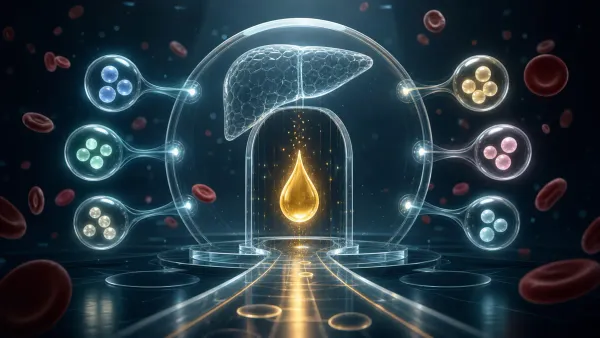
- The liver filters and stores vitamins A, D, K2, B12, folate, and copper
- The heart concentrates CoQ10 — the mitochondrial compound that declines with age
- The kidney is rich in selenium and B2 (riboflavin)
- Bone marrow supplies fats, stem cells, and collagen precursors
Eating organs is essentially eating the animal’s own nutrient bank — a practice evolution optimized for over 2 million years.
The science behind organ meats and aging
Vitamin A: the retinol advantage over beta-carotene
One 3.5 oz (100 g) serving of beef liver provides about 9,000 mcg RAE of vitamin A — 12× the adult daily requirement. Critically, this is preformed retinol, the active form the body uses directly.
Plant-based beta-carotene must be converted to retinol, and studies show up to 45% of the population has genetic polymorphisms (BCO1 variants) that make this conversion inefficient. For these people, retinol from liver is the only reliable way to hit functional vitamin A status, which influences immune function, skin aging, and telomere maintenance.
Vitamin B12 and methylation-dependent aging
Liver delivers 60–70 mcg of B12 per 3.5 oz (100 g) — about 2,500% of the daily requirement. B12 is essential for methylation, the biochemical process underlying DNA repair, neurotransmitter synthesis, and epigenetic age control.
Methylation clocks (Horvath, PhenoAge, GrimAge) — the current gold standard for biological age measurement — depend directly on B12 status. Subclinical B12 deficiency (serum <500 pg/mL) affects an estimated 20% of adults over 60 and is linked to accelerated biological aging. Regular liver consumption pushes and holds B12 well above this threshold.
CoQ10 from heart: mitochondrial currency
Beef and chicken heart are the richest food sources of CoQ10, with about 11 mg per 3.5 oz (100 g). CoQ10 is essential for ATP production in mitochondria, and tissue levels decline roughly 50% between ages 20 and 80.
For adults over 40, regular heart consumption (once per week) provides CoQ10 at doses that match or exceed common supplements, in a whole-food matrix that also delivers creatine, carnitine, and taurine — three compounds that support cardiac and skeletal muscle function in aging.
Choline from liver: the brain aging nutrient
Liver is the densest food source of choline (about 420 mg per 3.5 oz / 100 g), an essential nutrient for synthesizing the neurotransmitter acetylcholine and the fatty membrane component phosphatidylcholine.
Roughly 90% of Americans fall short of the 550 mg daily choline target. Low choline has been linked to fatty liver disease (NAFLD), cognitive decline, and elevated homocysteine — a cardiovascular risk marker. A single liver serving per week contributes meaningfully to closing the gap.
Heme iron and ferritin balance
Liver contains 5–6 mg of heme iron per 3.5 oz (100 g), absorbed 2–3× more efficiently than plant-based non-heme iron. For menstruating women, athletes, and anyone with low ferritin, liver is the fastest dietary correction available.
That said, heme iron is double-edged: excess ferritin accelerates oxidative aging. If your ferritin is already elevated (>200 ng/mL), limit liver to biweekly and prioritize heart, which contains less iron.
Copper and the iron-copper balance
Modern diets are deficient in copper relative to iron — a mismatch that impairs iron utilization and can paradoxically cause “iron overload with functional iron deficiency.” Liver delivers abundant copper in a naturally balanced ratio to iron, restoring proper mineral dynamics.
6 proven ways to add organ meats to your diet
1. Start with 3–4 oz (85–113 g) of liver once per week
Why it works: This modest dose fills vitamin A, B12, folate, and choline gaps without exceeding safe retinol thresholds (vitamin A toxicity starts around 10,000 mcg/day chronic).
How to do it:
- Beef liver is the most nutrient-dense
- Chicken liver is milder in flavor, better for beginners
- Lamb liver is the most mineral-rich
- Cook quickly (2–3 minutes per side) — overcooking toughens liver
Expected results: Ferritin and B12 improvement visible on labs within 6–8 weeks; energy and skin quality improvements within 2–4 weeks.
2. Add beef heart to your rotation
Why it works: Heart is mild-tasting (similar to steak), iron-balanced, and CoQ10-rich — a more approachable entry point than liver for beginners.
How to do it:
- Trim connective tissue from the heart before cooking
- Cook like steak: hot pan, 3–4 minutes per side, medium-rare
- Slice thin and serve with chimichurri or mustard sauce
- Grind into burgers at a 25% ratio with ground beef
3. Hide liver in ground meat recipes
Why it works: Ground liver at a 20% ratio (1 part liver to 4 parts ground beef) is virtually undetectable in flavor but boosts nutrient density dramatically.
How to do it:
- Freeze liver for 20 min, grate with a coarse grater
- Mix into meatballs, meatloaf, bolognese sauce, or tacos
- One pound of mixed meat serves a family and delivers weekly liver intake
4. Make pâté as a longevity snack
Why it works: Pâté blends liver with butter, shallots, herbs, and brandy into a gourmet spread — high-palatability format with the same nutrient density.
How to do it:
- Sauté chicken livers in butter with shallots, thyme, garlic
- Blend with more butter and a splash of brandy or sherry
- Spread 1 oz (28 g) on sourdough or endive leaves
- Keeps in the fridge for 7 days, freezes for 3 months
5. Use desiccated liver capsules as a fallback
Why it works: Freeze-dried grass-fed liver capsules preserve ~90% of nutrients in a flavorless format. Not as complete as fresh liver (some heat-sensitive compounds are lost), but a practical compromise for travel or skeptical eaters.
How to do it:
- Take 4–6 capsules daily (≈ 2 g of dried liver)
- Choose grass-fed, hormone-free source verification
- Treat as a supplement, not a food replacement
6. Pair organ meats with vitamin C
Why it works: Vitamin C enhances iron absorption and balances the pro-oxidant burden of heme iron. This pairing is especially important if ferritin is already in the normal-high range.
How to do it:
- Serve liver with sautéed onions and parsley
- Add lemon wedges or a citrus vinaigrette on the side
- Bell peppers, tomatoes, or kiwi make excellent pairings
How to track organ meat benefits on your biomarkers
Key metrics to monitor
| Metric | Optimal Range | What It Indicates |
|---|---|---|
| Ferritin | 50–150 ng/mL (men), 30–100 (women) | Iron stores, not overload |
| B12 serum | >500 pg/mL | Methylation capacity |
| Homocysteine | <8 µmol/L | B-vitamin sufficiency |
| Vitamin A (retinol) | 1.0–3.5 µmol/L | Immune, skin, eye function |
| Copper | 70–140 µg/dL | Iron utilization balance |
| Choline adequacy | >7.5 mg/kg body weight daily | Brain, liver health |
Liver intake tends to move B12 and ferritin fastest (within 6–8 weeks), while vitamin A and copper status stabilize over 3–6 months.
How SuperAge helps you track organ meat benefits
Most people have no idea whether their vitamin A, B12, or choline status is adequate. SuperAge makes the invisible biomarkers visible.
Lab biomarker tracking
Upload lab results for ferritin, B12, homocysteine, and vitamin A — SuperAge plots them against optimal ranges over time. You’ll see whether organ meat intake is actually moving your numbers.
Methylation-adjacent biomarkers
While direct methylation age testing requires specialized labs, SuperAge infers methylation-dependent aging from standard blood panels (homocysteine, RDW, MCV) — biomarkers that respond to B12 and folate status from liver.
Biological age integration
Regular organ meat consumption typically drops biological age by 0.5–1.5 years over 12 months when paired with other longevity habits. SuperAge shows this trend objectively, making it easier to sustain a dietary change that otherwise requires faith.
Frequently asked questions
Is liver safe to eat weekly?
Yes. A 3.5 oz (100 g) serving of liver once per week stays well below vitamin A toxicity thresholds for most adults. Pregnant women should limit liver intake (high retinol can be teratogenic in first trimester) and discuss with their OB. Chronic daily liver consumption is not recommended for anyone.
Does grass-fed matter for organ meats?
Yes — more than for muscle meat. Organs concentrate environmental toxins and agricultural chemicals along with nutrients. Grass-fed, pastured, or organic-certified sources carry dramatically lower pesticide and antibiotic residues, and their vitamin/mineral profile is richer.
Can I freeze organ meats?
Absolutely. Liver and heart freeze well for 3–6 months with minimal nutrient loss. Buying organs in bulk from a local farm or butcher and portioning into weekly packets is the most cost-effective approach.
What about organ meats and heavy metals?
Liver is a filtering organ, which raises concern. In practice, levels of lead, cadmium, and mercury in grass-fed liver from well-sourced animals are well within safe limits set by EFSA and FDA. Conventional industrial liver may carry higher burden — another reason to choose pastured sources.
Are plant-based “organ meat alternatives” equivalent?
No. No plant food matches the retinol, B12, choline, or heme iron density of liver. Vegetarians can approximate some benefits through algae-based B12, beta-carotene (with conversion caveats), choline from eggs (if not vegan), and iron from lentils + vitamin C, but the concentrated package of organ meats is irreplaceable on a pure plant diet.
Key takeaways
- Liver is the densest food on earth: vitamin A, B12, folate, choline, copper, iron — nothing else comes close per calorie.
- One 3.5 oz (100 g) serving per week is enough for most adults to fix common micronutrient gaps.
- Heart is the CoQ10 food: mild taste, mitochondrial support, easy entry point for beginners.
- Grass-fed sourcing matters more for organs because they concentrate what the animal ate and was exposed to.
- Hide it if you must: 20% liver in ground beef is undetectable and still effective.
Start your nutrient-dense eating today
Organ meats are the cheapest, most overlooked longevity food in your butcher case. Adding liver once a week and heart twice a month covers nutrient gaps that cost hundreds of dollars to close with supplements.
Ready to see the biomarker payoff? Download SuperAge and track how nutrient-density changes affect your biological age over time.
References
- Grant, W.B. (2017). “Chapter on nutrient density and health” — Nutrients.
- Allen, L.H. (2009). “How common is vitamin B-12 deficiency?” — American Journal of Clinical Nutrition.
- Zeisel, S.H., da Costa, K.A. (2009). “Choline: an essential nutrient for public health” — Nutrition Reviews.
- Littarru, G.P., Tiano, L. (2007). “Bioenergetic and antioxidant properties of coenzyme Q10” — Molecular Biotechnology.
- Borel, P., Desmarchelier, C. (2018). “Bioavailability of fat-soluble vitamins” — Nutrients.
Last updated: 2026-04-14. This article is regularly reviewed to ensure accuracy.
Related Articles
Alkaline phosphatase high: liver, bone, or lab noise?
Alkaline phosphatase high can come from liver, bile ducts, bone turnover, or temporary noise. Learn how GGT, bilirubin, and context sort it out.