Blog

Pace of aging: How fast is your body actually getting older?
Learn what pace of aging means, how DunedinPACE measures it, and 7 proven ways to slow down how fast your body ages. Science-backed guide.

Autophagy: The cellular cleanup system behind healthy aging
Autophagy recycles damaged proteins and organelles. Learn what human research supports, how fasting and exercise may help, and what to track cautiously.
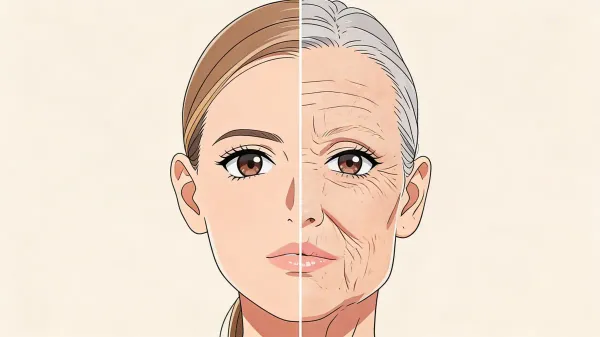
Glycation and AGEs: How sugar silently ages your tissues
AGEs cross-link proteins, stiffen arteries, and amplify inflammation. Learn how glycation forms, how to track it, and practical ways to slow new AGE buildup.
mTOR: When to turn it off to live longer
mTOR drives cell growth but accelerates aging when chronically active. Learn how mTOR works, why inhibition extends lifespan in animal studies, and 7 natural ways to optimize it.

AMPK: The metabolic switch that fights aging
AMPK is an energy-sensing enzyme linked to autophagy, fat oxidation, and metabolic health. Learn evidence-based ways to support AMPK as you age.
PhenoAge and KDM: How to calculate your biological age from blood tests
Discover how to calculate your biological age with PhenoAge and the Klemera-Doubal Method (KDM) using routine blood tests. The 9 biomarkers, the formulas, and how to improve each parameter.

Living to 100: 5 science-backed pillars for a long and healthy life
Discover the 5 pillars of longevity supported by Blue Zones research and broader longevity science. Lifestyle is the part of your longevity trajectory you can actively influence.

How to lower biological age: 8 science-based strategies to rejuvenate
Discover how to lower biological age with science-based strategies. AHA research: 8 habits = 6 years younger. Practical guide to rejuvenation.
How biological age is calculated in SuperAge | complete guide
See how SuperAge calculates wearable-derived Fitness Age and separate PhenoAge and KDM estimates from blood tests, with current weights and limitations.