Blog

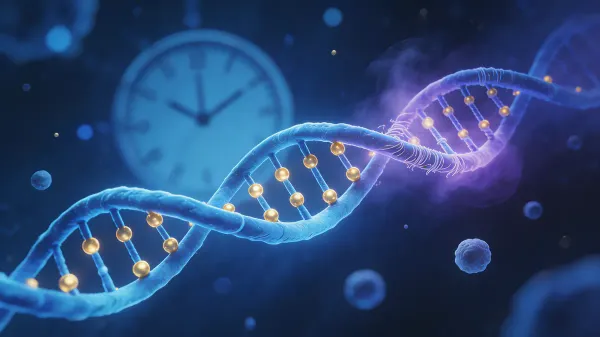
MTHFR mutations: methylation, homocysteine, and biological age
MTHFR gene variants affect methylation, raise homocysteine, and may accelerate biological aging. Learn what the science says and how to optimize your methylation cycle.

Nature exposure and biological aging: the forest bathing evidence
Forest bathing (shinrin-yoku) lowers cortisol, boosts NK cell activity, and reduces inflammatory markers. Discover the science of how nature slows biological aging.

Purpose and longevity: the science of ikigai
Having a strong sense of purpose reduces mortality risk by up to 46%. Discover the science behind ikigai and how purpose protects against biological aging.

Breathing techniques for longevity: from box breathing to Wim Hof
Learn how box breathing, 4-7-8, cyclic sighing, and Wim Hof affect HRV, stress, respiratory rate, and healthy aging, with key safety limits.

Can you reverse aging? What science actually says in 2026
Can aging be reversed? See what 2026 science says about epigenetic reprogramming, senolytics, lifestyle, biological clocks, and realistic next steps.

Endocrine disruptors and accelerated aging: What BPA, PFAS, and phthalates do to your biology
How BPA, PFAS and phthalates may affect hormones, metabolic aging and epigenetic markers, with practical steps to reduce exposure in daily life.

Heat exposure and longevity: The sauna science that goes beyond recovery
Finnish studies show 4-7 sauna sessions per week reduce all-cause mortality by 40%. Here's the deep science: heat shock proteins, FOXO3 activation, cardiovascular remodeling, and the optimal dose for longevity.
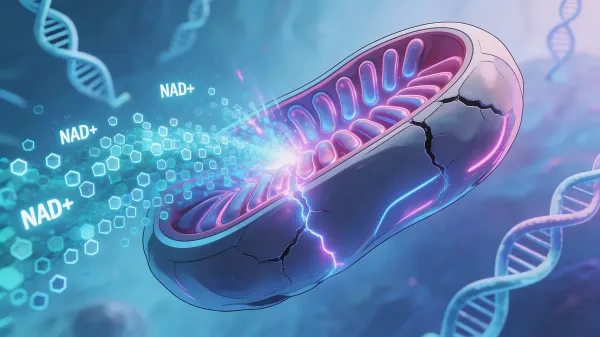
NAD+ and aging: The coenzyme your mitochondria are running out of
NAD+ levels drop by 50% by age 40 and fuel every cellular repair process. Learn why NAD+ declines, how it drives aging, and 7 evidence-based ways to restore it.
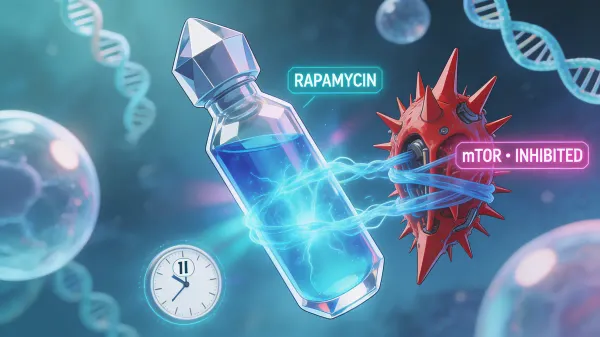
Rapamycin and mTOR inhibition: The most promising anti-aging drug?
Rapamycin extends lifespan in every species tested. Learn how mTOR inhibition works, what the PEARL trial revealed, and whether low-dose rapamycin is ready for human use.