Blog


PhenoAge explained: what it measures, how to interpret your score, and why it matters
Understand your PhenoAge score with this complete interpretation guide. Learn the 9 biomarkers, what age acceleration means, and how to use your results.

The mechanisms of aging: a complete guide to why we age
Why do we age? Learn the 12 hallmarks of aging, how they connect, which are modifiable, and how SuperAge tracks biological age and aging pace over time.

Caloric restriction mimetics: getting the benefits without the hunger
Caloric restriction mimetics target fasting-like aging pathways. Learn the evidence for rapamycin, metformin, spermidine, NAD precursors, and lifestyle.

Disease prevention through biological age optimization
Biological age can organize disease prevention, but it is not a diagnosis. Learn shared aging mechanisms, biomarker tracking, lifestyle levers, and screening limits.

Environmental aging: how your surroundings affect your biological clock
Environmental aging reflects how air pollution, UV, blue light, noise, isolation, chemicals, and heat shape biomarkers, biological age, and disease risk.

Your first 90 days on SuperAge: build a biological-age routine
A 90-day SuperAge plan for sleep, steps, strength, nutrition, stress, and labs. Build habits, track trends, and interpret biological age carefully.

The complete guide to hormonal health and longevity
Comprehensive guide to how hormones affect biological aging. Covers testosterone, estrogen, thyroid, IGF-1, cortisol, and evidence-based strategies to optimize hormonal health after 40.
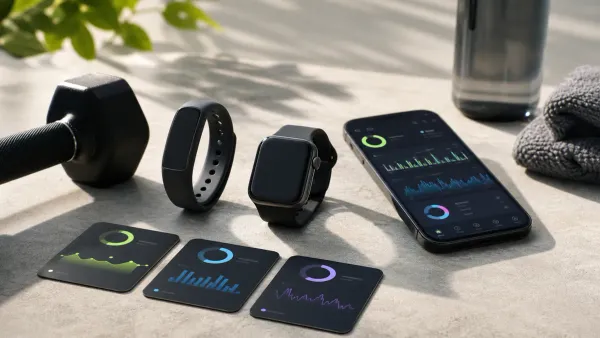
5 best Whoop alternatives for longevity tracking in 2026
Compare Whoop alternatives for longevity tracking: Apple Health, HRV, sleep, training load, and biological-age insights without another band or data silo.
Epigenetic clocks explained: Horvath, GrimAge, DunedinPACE
Compare Horvath, GrimAge v2, and DunedinPACE: what each epigenetic clock measures, how DNA methylation works, and how to interpret biological age.