Blog
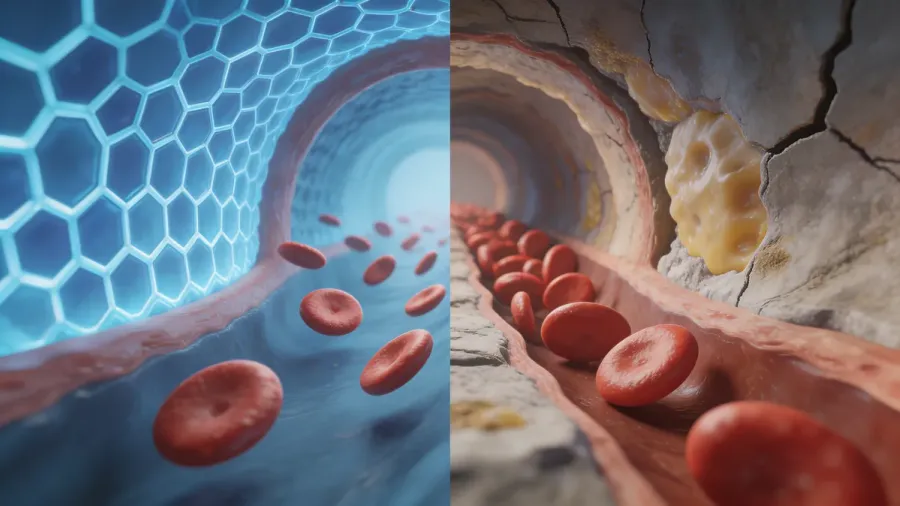

Homocysteine, MTHFR, and cardiovascular risk: The methylation connection to aging
Elevated homocysteine is a cardiovascular and epigenetic aging accelerator. Learn about MTHFR variants, optimal levels, B-vitamin strategy, and what methylation has to do with how fast you age.

Noise pollution and cardiovascular aging: The silent risk living in your walls
Noise pollution is a quantified cardiovascular risk factor. Night noise elevates cortisol, drives endothelial dysfunction via NOX-2 ROS, and raises hypertension, AFib, and CHD risk per 10 dB increase. Here is the science and what to do about it.

Peripheral artery disease: The hidden vascular aging test you should know
PAD affects 13% of adults over 50 and often goes undetected. Learn about the ankle-brachial index, walking tests, and how vascular aging connects to your longevity.

Social isolation and mortality: The science behind the most underestimated aging risk factor
Social isolation is as deadly as smoking 15 cigarettes per day, shortens lifespan by up to 15 years, and raises dementia risk by 50%. Here is the biology behind loneliness and how to counteract it.
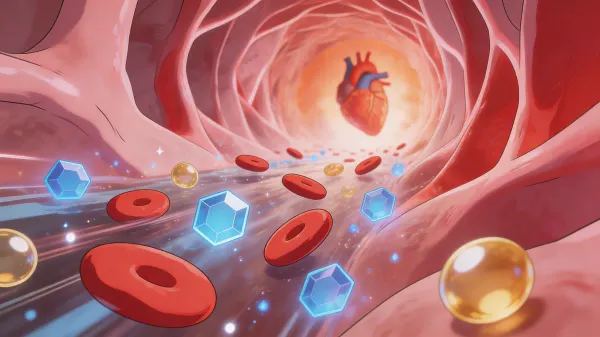
The triglyceride-glucose index: A smarter way to measure insulin resistance
The TyG index is an emerging biomarker that predicts insulin resistance, cardiovascular disease, and metabolic syndrome — calculated from a standard blood test. Learn how to compute it and what the numbers mean.
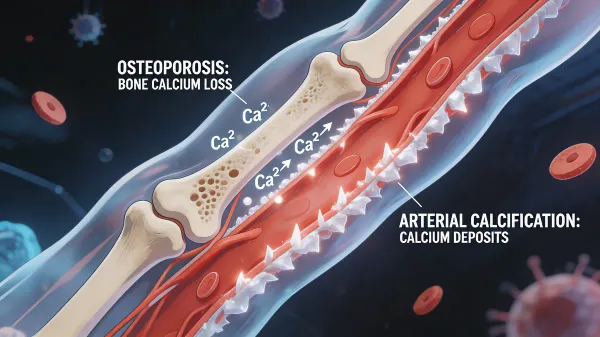
Calcium paradox: Too much ages arteries, too little ages bones
The calcium paradox links bone loss and vascular calcification with age. Learn how to think about calcium, vitamin D, vitamin K, and monitoring.

Average heart rate by age: Normal ranges, charts, and what yours means
Average heart rate is not the same as resting pulse. Learn normal ranges, warning trends, wearable limits, and practical ways to improve fitness.

Resting heart rate by age: What's normal and how to improve it
Discover what a good resting heart rate is for your age, what affects it, and 8 proven ways to lower it. Includes chart by age and gender.

Sauna vs cold plunge: Which is better for recovery and health?
Sauna vs cold plunge compared head-to-head: recovery, inflammation, cardiovascular health, and mental clarity. Science-backed guide to choosing the right thermal therapy.