Homocysteine, MTHFR, and cardiovascular risk: The methylation connection to aging
Elevated homocysteine is a cardiovascular and epigenetic aging accelerator. Learn about MTHFR variants, optimal levels, B-vitamin strategy, and what methylation has to do with how fast you age.
There is a single amino acid byproduct in your blood that quietly tracks the efficiency of one of the most fundamental processes in your body — and when it rises, it accelerates cardiovascular disease, damages your DNA, and pushes your epigenetic clocks forward. It’s called homocysteine, and the reasons it elevates are deeply intertwined with genetics, nutrition, and the biology of aging itself.
Homocysteine has been studied since the 1960s, but its clinical significance is still widely underappreciated. Most people have never had it measured. Most doctors order it only after a cardiovascular event, not before. And yet a growing body of evidence links elevated homocysteine not only to heart attack and stroke risk, but to accelerated biological aging at the cellular level — through direct effects on DNA methylation, epigenetic clock advancement, and telomere attrition.
What you’ll learn:
- What homocysteine is and why it matters
- The science: methylation, the one-carbon cycle, and aging
- MTHFR C677T: the genetic variant that changes everything
- Optimal levels and what the research recommends
- 7 strategies to optimize homocysteine and methylation
- How to track your homocysteine over time
- How SuperAge integrates methylation health into biological age
- Frequently asked questions
What Is Homocysteine and Why Does It Matter?
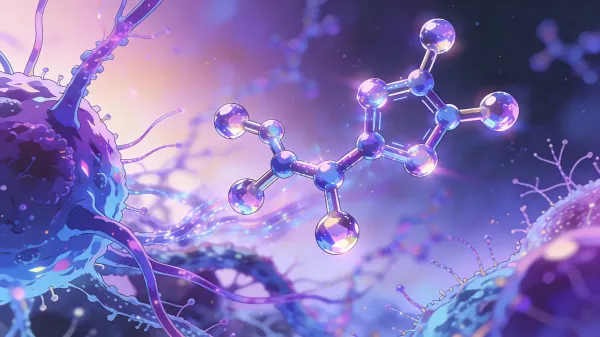
Homocysteine is a sulfur-containing amino acid produced during the metabolism of methionine, an essential amino acid found in protein-rich foods. Unlike most amino acids, homocysteine is not obtained directly from food — it is an intermediate metabolite that the body must efficiently convert back to useful compounds or eliminate.
Quick definition: Homocysteine is a metabolic byproduct that accumulates when the methylation cycle is impaired. Elevated levels are associated with cardiovascular disease, stroke, cognitive decline, and accelerated biological aging.
In a healthy, well-functioning system, homocysteine is rapidly recycled through two pathways:
-
Remethylation: homocysteine accepts a methyl group from 5-methyltetrahydrofolate (5-MTHF), regenerating methionine. This reaction requires folate (as 5-MTHF) and vitamin B12 as cofactors, with the enzyme MTHFR playing a central role.
-
Transsulfuration: homocysteine is converted to cystathionine and then to cysteine (a glutathione precursor) via an irreversible pathway requiring vitamin B6 as a cofactor.
When these pathways are impaired — by nutrient deficiencies, genetic variants, kidney disease, or aging itself — homocysteine builds up in the blood. And when it builds up, it becomes toxic.
The cardiovascular evidence
The epidemiological literature on homocysteine and cardiovascular risk is extensive:
- A meta-analysis of 30 prospective studies found that each 5 μmol/L increase in homocysteine is associated with a 27% increase in coronary artery disease risk and a 59% increase in stroke risk
- The Framingham Heart Study demonstrated that homocysteine is an independent predictor of cardiovascular events after adjusting for traditional risk factors
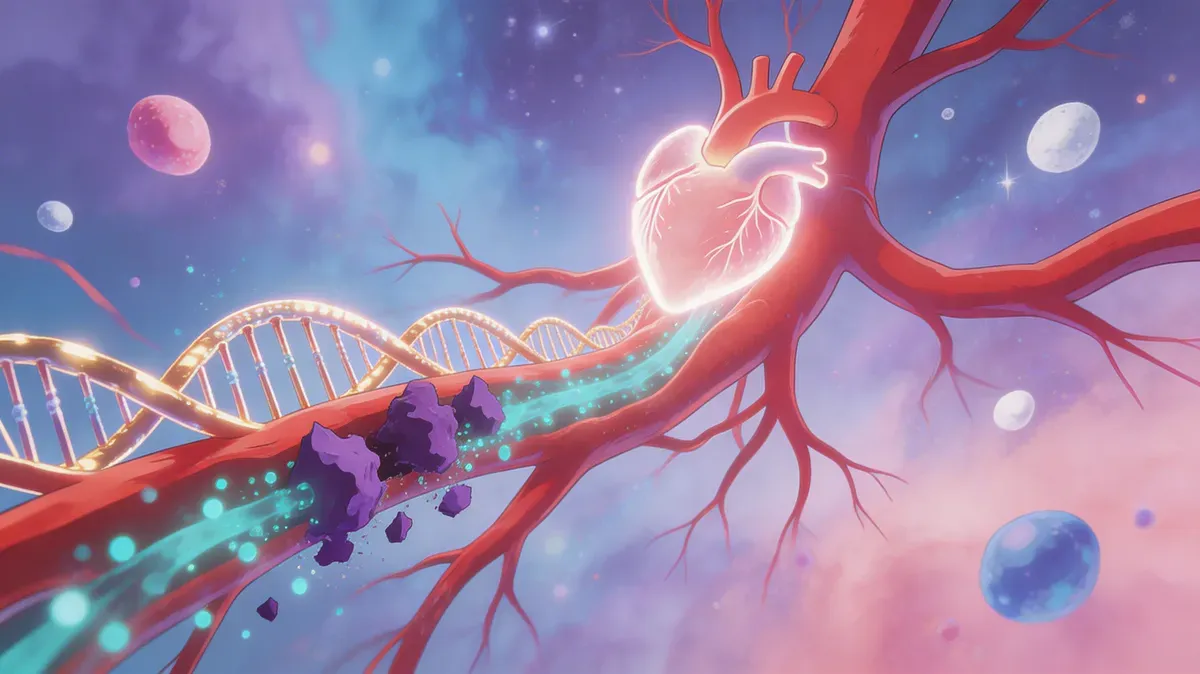
- Elevated homocysteine directly damages the endothelium, promotes atherosclerosis, increases thrombosis risk, and impairs nitric oxide production — the same endothelial pathways involved in peripheral artery disease. Dietary interventions that also target vascular calcification, such as natto’s vitamin K2 MK-7, work synergistically with homocysteine reduction for arterial protection
The cognitive decline connection
Homocysteine also crosses the blood-brain barrier and exerts neurotoxic effects. High levels are associated with:
- Accelerated hippocampal atrophy (the brain region most critical to memory)
- 2–3 times higher risk of Alzheimer’s disease in people with homocysteine above 14 μmol/L
- Increased risk of white matter hyperintensities — the microscopic vascular damage associated with cognitive decline
The Science: Methylation, the One-Carbon Cycle, and Biological Aging
To understand why homocysteine is a biological aging accelerator, you need to understand methylation — one of the most pervasive and important biochemical processes in the human body.
What is methylation?
Methylation is the addition of a methyl group (—CH₃) to a molecule. This seemingly simple chemical modification underlies an enormous range of biological functions:
- DNA methylation: epigenetic regulation of gene expression — the mechanism behind epigenetic clocks like the Horvath clock and GrimAge
- Neurotransmitter synthesis: production of serotonin, dopamine, epinephrine, and melatonin
- Glutathione production: the body’s primary antioxidant (via cysteine from the transsulfuration pathway)
- Histamine breakdown: regulating immune and inflammatory responses
- Phospholipid synthesis: maintaining cell membrane integrity
The universal methyl donor for these reactions is S-adenosylmethionine (SAMe), which is derived directly from methionine. And methionine, in turn, is regenerated from homocysteine via the remethylation pathway.
This means: when the methylation cycle is impaired and homocysteine accumulates, the supply of SAMe decreases — and with it, the ability to methylate DNA, detoxify neurotransmitters, produce antioxidants, and regulate gene expression.
Homocysteine and epigenetic aging
The connection between elevated homocysteine and accelerated epigenetic aging is now biologically plausible and empirically supported:
- Global DNA hypomethylation: high homocysteine reduces SAMe availability, causing dysregulated methylation patterns — including the loss of methylation at normally silenced regions, which can activate oncogenes and transposable elements
- Epigenetic clock advancement: several studies have found that elevated homocysteine is associated with a higher GrimAge and PhenoAge epigenetic age — meaning the genome of high-homocysteine individuals looks older than expected
- B12 deficiency and methylation aging: vitamin B12 deficiency, one of the most common causes of elevated homocysteine, is associated with accelerated epigenetic aging and telomere shortening
MTHFR C677T: The Genetic Variant That Changes Everything
For a significant portion of the population, elevated homocysteine is not primarily caused by diet or lifestyle — it is encoded in their DNA. The culprit is a common polymorphism in the gene encoding MTHFR (methylenetetrahydrofolate reductase), the enzyme that converts folate into 5-MTHF, the active form the body can use.
The C677T polymorphism
The MTHFR C677T variant (rs1801133) is one of the most studied gene variants in human health:
- Frequency: approximately 10–15% of the population is homozygous (TT genotype), carrying two copies of the variant allele. Around 40–45% is heterozygous (CT genotype)
- Functional effect: the TT genotype reduces MTHFR enzyme activity by approximately 70% at normal temperatures; the CT genotype reduces it by approximately 35%
- Consequence: reduced conversion of folic acid/folate to 5-MTHF, leading to impaired remethylation, elevated homocysteine, and reduced methylation capacity
Geographic and ethnic variation
The prevalence of the TT genotype varies substantially by ancestry:
- Northern European: ~10–12%
- Mediterranean: ~12–15%
- Hispanic/Latino: ~10%
- East Asian: ~15–20%
- African ancestry: ~1–2%
The A1298C variant
A second MTHFR variant, A1298C (rs1801131), affects MTHFR enzyme activity through a different mechanism, primarily impacting BH4 (tetrahydrobiopterin) production — a cofactor for neurotransmitter synthesis. The A1298C variant alone has a more modest effect on homocysteine, but compound heterozygosity (one copy of C677T and one copy of A1298C) can significantly impair MTHFR function.
Why standard folic acid may not help MTHFR carriers
Standard folic acid (the synthetic form used in food fortification and most supplements) must be converted to 5-MTHF by — you guessed it — MTHFR. For individuals with reduced MTHFR activity, this conversion is inefficient. Supplementing with standard folic acid may not adequately raise 5-MTHF levels or lower homocysteine. This is why L-methylfolate (5-MTHF) — the bioactive form that bypasses MTHFR — is specifically recommended for people with MTHFR variants.
Optimal Homocysteine Levels: What the Research Recommends
Standard reference ranges vs. longevity targets
| Category | Homocysteine (μmol/L) |
|---|---|
| Normal (lab reference range) | < 15 μmol/L |
| Mild hyperhomocysteinemia | 15–30 μmol/L |
| Moderate hyperhomocysteinemia | 30–100 μmol/L |
| Severe hyperhomocysteinemia | > 100 μmol/L |
However, from a longevity perspective, the standard “normal” range is far too permissive. The research points consistently to a much lower optimal target:
| Target | Level |
|---|---|
| Longevity optimal | < 7–8 μmol/L |
| Cardiovascular risk reduction target | < 10 μmol/L |
| Standard normal upper limit | < 15 μmol/L |
A landmark study following over 4,500 Norwegian men for 18 years found that all-cause mortality increased progressively with homocysteine levels above 7 μmol/L — well within the “normal” range. This finding mirrors the GGT story: normal is not optimal.
Sex and age differences
- Women generally have lower homocysteine than men before menopause (estrogen downregulates homocysteine production)
- After menopause, the gender difference largely disappears
- Homocysteine rises naturally with age, partly due to declining renal function and lower B12 absorption
7 Strategies to Optimize Homocysteine and Methylation Health
1. Test first — know your baseline
Why it works: Homocysteine is rarely measured in routine blood work, but it is inexpensive and profoundly informative. You cannot optimize what you don’t measure.
How to do it:
- Request homocysteine as part of your next blood panel (fasting measurement preferred, though not strictly required)
- If elevated above 10 μmol/L, simultaneously test folate (serum and RBC), vitamin B12, and vitamin B6
- Consider MTHFR genetic testing if you have persistently elevated homocysteine despite good nutrition, or a strong family history of cardiovascular disease
2. Optimize vitamin B12 — especially if over 50
Why it works: Vitamin B12 deficiency is one of the most common and correctable causes of elevated homocysteine. B12 absorption decreases with age due to declining stomach acid production and intrinsic factor activity — a phenomenon so prevalent that many guidelines recommend B12 supplementation for everyone over 50.
How to do it:
- Aim for serum B12 above 400–500 pg/mL for longevity (the lower end of “normal” at 200 pg/mL is associated with neurological and methylation impairments)
- For MTHFR TT carriers or those with absorption issues, methylcobalamin or hydroxocobalamin (the active forms) are preferred over cyanocobalamin
- Dietary sources: liver, clams, sardines, eggs, dairy
Expected results: Correcting B12 deficiency typically lowers homocysteine by 20–30%.
3. Prioritize folate — as L-methylfolate for MTHFR variants
Why it works: Folate is the direct substrate for homocysteine remethylation. Deficiency is a primary driver of elevated homocysteine, and folate adequacy is essential for proper DNA methylation and epigenetic regulation.
How to do it:
- Eat abundant leafy greens (spinach, arugula, romaine), legumes, asparagus, and avocado
- If MTHFR testing shows C677T TT or compound heterozygosity, use L-methylfolate (5-MTHF) rather than folic acid
- Typical therapeutic doses: 400–1,000 mcg L-methylfolate/day; higher doses under medical supervision for severe hyperhomocysteinemia
Expected results: Folate optimization can lower homocysteine by 15–30%.
The information provided is not a substitute for professional medical advice. Consult your doctor before starting any supplementation.
4. Ensure adequate vitamin B6
Why it works: B6 (pyridoxine) is the essential cofactor for the transsulfuration pathway, which converts homocysteine to cysteine (and ultimately to glutathione). B6 is particularly important when homocysteine is markedly elevated and remethylation alone is insufficient.
How to do it:
- Dietary sources: chicken, turkey, salmon, tuna, potatoes, bananas, chickpeas
- Supplement with 25–50 mg/day of pyridoxal-5-phosphate (P5P — the active form) if dietary intake is low
- Note: chronic high-dose B6 supplementation (> 200 mg/day over years) can cause peripheral neuropathy; stay within reasonable ranges
5. Optimize riboflavin (B2) — especially for MTHFR TT carriers
Why it works: This is less well known but critically important: riboflavin (vitamin B2) is a cofactor for MTHFR enzyme stability. Studies from Trinity College Dublin demonstrated that the TT genotype response to folate and homocysteine lowering was almost completely dependent on riboflavin status — MTHFR TT carriers with low riboflavin had markedly elevated homocysteine that was poorly responsive to B12/folate supplementation, while those with adequate riboflavin responded normally.
How to do it:
- Ensure adequate riboflavin from dairy, eggs, organ meats, and almonds
- If MTHFR TT, consider a B-complex or targeted riboflavin 1.6–1.8 mg/day
6. Reduce alcohol, coffee (excess), and smoking
Why it works: These are the three most common dietary/lifestyle disruptors of the methylation cycle. Alcohol interferes with folate absorption and utilization. Very high coffee consumption (more than 5–6 cups/day) has been associated with modestly elevated homocysteine, though moderate consumption (2–3 cups) appears neutral or beneficial. Smoking depletes B vitamins and generates oxidative stress that consumes glutathione.
How to do it:
- Limit alcohol to no more than 1 drink/day (or eliminate entirely if homocysteine is elevated)
- Stick to 2–3 cups of coffee/day
- Cessation of smoking is strongly associated with homocysteine normalization over 3–6 months
7. Support kidney function
Why it works: The kidneys play a major role in homocysteine clearance. As glomerular filtration rate (GFR) declines with age, homocysteine rises — one of the reasons homocysteine increases progressively in later life even with adequate nutrition. Protecting kidney function is therefore both a cause and an effect of optimal homocysteine.
How to do it:
- Stay well hydrated (0.5 fl oz per pound of body weight / 30 mL per kg of body weight daily)
- Maintain blood pressure below 130/80 mmHg — hypertension is the leading driver of age-related kidney decline
- Avoid NSAIDs, contrast dyes, and other nephrotoxic substances whenever possible
- Track serum creatinine and eGFR alongside homocysteine as part of your longevity blood panel
How to Track Homocysteine and Methylation Health Over Time
Recommended testing frequency
| Situation | Frequency |
|---|---|
| Optimal (< 8 μmol/L) | Every 12 months |
| Borderline (8–12 μmol/L) | Every 6 months |
| Elevated (> 12 μmol/L) | Every 3 months until normalized |
| After supplementation change | Follow-up at 8–12 weeks |
Complementary panel
Homocysteine should not be interpreted in isolation. Always correlate with:
| Test | Why it matters |
|---|---|
| Serum B12 | Most common correctable cause of elevated homocysteine |
| RBC folate | Better marker of tissue folate status than serum folate |
| Serum B6 (pyridoxal-5-phosphate) | Transsulfuration cofactor |
| Complete metabolic panel (creatinine, eGFR) | Renal homocysteine clearance |
| hsCRP | Systemic inflammation (often co-elevated with homocysteine) |
| Fasting insulin and glucose | Metabolic syndrome link |
How SuperAge Integrates Methylation Health into Biological Age
Homocysteine sits at the intersection of cardiovascular aging, epigenetic aging, and metabolic health — making it one of the most information-dense biomarkers you can measure. SuperAge allows you to import your complete blood panel results, including homocysteine, and contextualizes them within your biological age profile.
Rather than just flagging whether your homocysteine is “normal,” SuperAge compares your values against longevity-optimized reference ranges and tracks trends over time — so you can see whether your B-vitamin optimization strategy is actually working, and whether your methylation health is improving or declining alongside your other aging biomarkers.
The app’s integration with epigenetic aging algorithms means that improvements in homocysteine are reflected in the broader calculation of your biological age — connecting a simple blood test to the deepest measure of how fast you’re aging at the cellular level.
Download SuperAge to start tracking homocysteine alongside your full biological age profile — and give your methylation cycle the attention it deserves.
Frequently Asked Questions
Can I lower homocysteine without supplements, through diet alone?
Yes, if your elevated homocysteine is primarily due to dietary insufficiency rather than genetic impairment. A diet rich in leafy greens, legumes, eggs, fish, and organ meats will provide adequate B12, folate, and B6 for most people. However, if you carry the MTHFR TT genotype or have absorption issues (common after 50), dietary optimization may be insufficient and L-methylfolate supplementation is often necessary.
I have the MTHFR variant — does that mean I will definitely develop cardiovascular disease?
No. The MTHFR TT genotype is a risk modifier, not a destiny. With adequate riboflavin, L-methylfolate, and B12, most TT carriers can maintain homocysteine in the optimal range and have no excess cardiovascular risk compared to the general population. The genotype only becomes a problem in the context of nutritional insufficiency.
My homocysteine is 12 μmol/L — my doctor says that’s normal. Should I be concerned?
The conventional normal upper limit of 15 μmol/L does not represent the longevity optimum. Studies consistently show elevated cardiovascular and mortality risk at homocysteine levels above 7–10 μmol/L, even within the “normal” range. A level of 12 μmol/L in the context of longevity medicine warrants investigation and optimization, starting with B12, folate, and B6 status.
Does homocysteine affect my biological age as measured by epigenetic clocks?
Yes. Homocysteine directly impairs DNA methylation by reducing SAMe availability. Several studies have found that elevated homocysteine correlates with advancement of epigenetic clocks including GrimAge and DunedinPACE. Normalizing homocysteine is one of the few nutritional interventions with a plausible direct mechanism for slowing epigenetic aging.
Key Takeaways
- Homocysteine is both a cardiovascular risk marker and an epigenetic aging accelerator, acting through impaired methylation, endothelial damage, and reduced SAMe availability
- The longevity optimal target is below 8–10 μmol/L — significantly lower than the conventional “normal” range of < 15 μmol/L
- MTHFR C677T affects 10–15% of the population (TT homozygous) and reduces enzyme activity by up to 70%, predisposing to elevated homocysteine when B-vitamin status is suboptimal
- L-methylfolate, methylcobalamin, P5P, and riboflavin are the key nutrients for optimizing methylation in people with genetic variants or absorption issues
- Homocysteine is modifiable: targeted B-vitamin supplementation can lower levels by 20–50% within 8–12 weeks
Take Control of Your Methylation Health
Homocysteine is cheap to measure and highly responsive to simple nutritional interventions. There is almost no other biomarker with such a clear mechanism, such well-defined targets, and such actionable solutions.
The next time you get your blood work done, add homocysteine to the panel. If you carry an MTHFR variant, make sure you’re getting the right forms of folate and B12. And track the trend over time — because in longevity medicine, direction matters as much as destination.
Ready to build your methylation profile? Download SuperAge and start tracking homocysteine alongside your biological age — your epigenome will thank you.
References
- Refsum, H. et al. — “Homocysteine and cardiovascular disease” — Annual Review of Medicine, 1998. Foundational review establishing the cardiovascular risk relationship.
- Seshadri, S. et al. — “Plasma Homocysteine as a Risk Factor for Dementia and Alzheimer’s Disease” — New England Journal of Medicine, 2002. Landmark Framingham study data on homocysteine and cognitive decline.
- Nazki, F.H. et al. — “Folate: Functions, metabolism, sources, genetics, deficiency, and diseases” — Gene, 2014. Comprehensive review of folate metabolism and MTHFR variants.
- Horigan, G. et al. — “Riboflavin lowers homocysteine in individuals homozygous for the MTHFR 677C→T polymorphism” — Genetics in Medicine, 2010. Key evidence for riboflavin’s role in MTHFR TT management.
- Levine, M.E. et al. — “An epigenetic biomarker of aging for lifespan and healthspan” — Aging, 2018. PhenoAge paper demonstrating connections between methylation and biological aging.
- Nygård, O. et al. — “Total Plasma Homocysteine and Cardiovascular Risk Profile” — JAMA, 1995. Norwegian cohort data showing dose-response relationship between homocysteine and mortality.
- Smith, A.D. & Refsum, H. — “Homocysteine, B Vitamins, and Cognitive Impairment” — Annual Review of Nutrition, 2016. Comprehensive review of the B-vitamin-homocysteine-cognition pathway.
Last updated: 2026-03-19. This article is regularly reviewed to ensure accuracy.
Related Articles

MTHFR mutations: methylation, homocysteine, and biological age
MTHFR gene variants affect methylation, raise homocysteine, and may accelerate biological aging. Learn what the science says and how to optimize your methylation cycle.