Blog

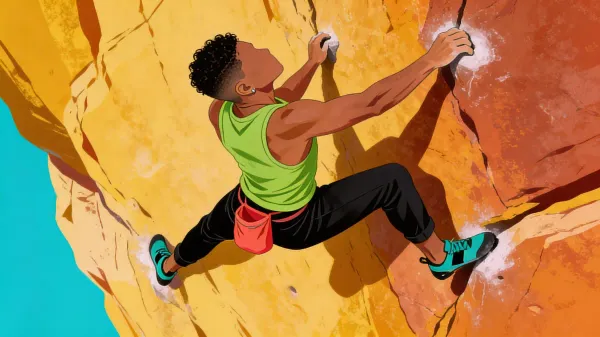
Climbing and grip strength: the longevity biomarker you train without knowing
Learn why grip strength predicts longevity, how climbing trains it, and how to start safely with recovery, balance, and biological-age tracking.
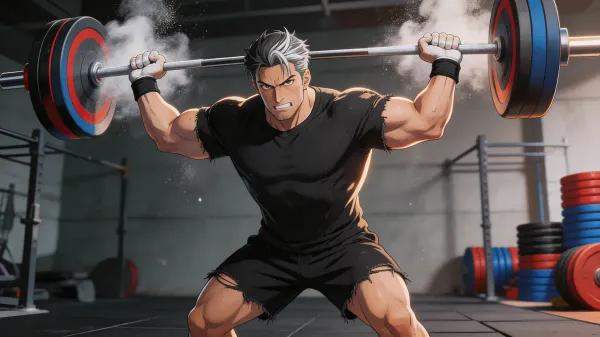
CrossFit after 40: when high intensity ages you faster
CrossFit after 40 can build strength, VO2 max, and community, but only when intensity matches recovery, joints, HRV, and sleep. Learn how to dose it.
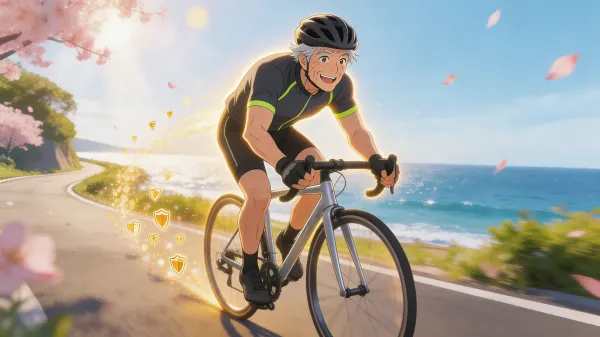
Cycling and immune aging: the King's College study that changed everything
Cycling may help preserve immune function with age. Learn what the King's College cyclist study found about thymic output, T cells, IL-6, and training.

Disease prevention through biological age optimization
Biological age can organize disease prevention, but it is not a diagnosis. Learn shared aging mechanisms, biomarker tracking, lifestyle levers, and screening limits.

Environmental aging: how your surroundings affect your biological clock
Environmental aging reflects how air pollution, UV, blue light, noise, isolation, chemicals, and heat shape biomarkers, biological age, and disease risk.
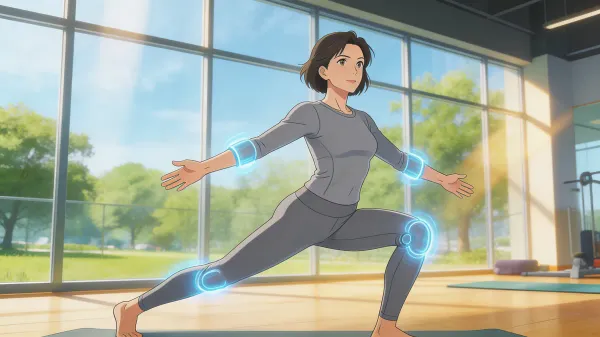
Exercise and joint health after 40: what helps, what hurts
Learn which exercises protect joints after 40, which habits raise osteoarthritis risk, and how strength, recovery, weight, and mobility support cartilage.
The complete exercise guide for longevity: what science recommends
Science-backed exercise plan for longevity: weekly cardio, strength, zone 2, VO2 max, mobility, recovery, and how to adapt training by decade.

Your first 90 days on SuperAge: build a biological-age routine
A 90-day SuperAge plan for sleep, steps, strength, nutrition, stress, and labs. Build habits, track trends, and interpret biological age carefully.

Gut health and longevity: the complete science-based guide
Comprehensive guide to how your gut microbiome controls biological aging. Covers dysbiosis, leaky gut, the gut-brain axis, and evidence-based strategies to optimize gut health for longevity.