Blog


Movement regularity: Why moving throughout the day beats one workout
Learn why movement regularity matters more than a single workout. Discover the science of daily movement patterns, sedentary breaks, and how to build an active lifestyle.
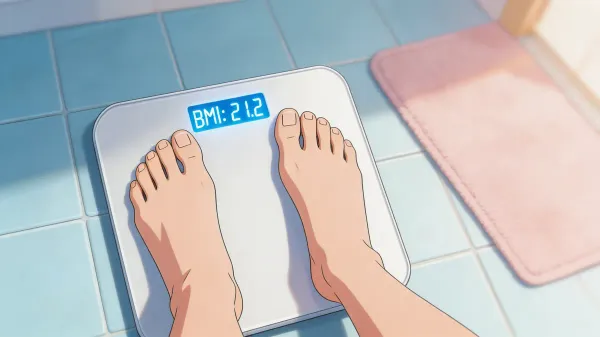
BMI (body mass index): What it is, how to calculate it, and what it really tells you
Learn how BMI is calculated, what a healthy range looks like, and why body mass index alone isn't enough. Discover smarter ways to track your health.
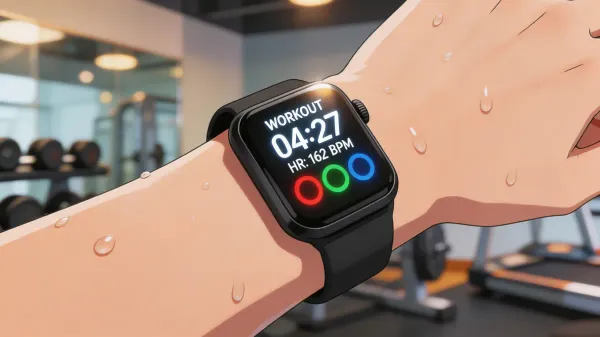
How much exercise do you really need per day? Science-backed guidelines
Discover exactly how much exercise time you need daily for optimal health. Evidence-based guidelines by age, fitness level, and goal — plus how to track it.

Walking speed: The simple test that predicts how fast you're aging
Walking speed is one of the strongest predictors of longevity and biological age. Learn what your gait speed reveals about your health and how to improve it.

Active calories vs total calories: What the numbers on your watch really mean
Active vs total calories explained: what each number means on your Apple Watch, which one to track, and how your daily calorie burn changes with age.

Average heart rate by age: Normal ranges, charts, and what yours means
Average heart rate is not the same as resting pulse. Learn normal ranges, warning trends, wearable limits, and practical ways to improve fitness.

Blood oxygen level: What SpO2 means and how to keep it optimal
Learn what a normal blood oxygen level (SpO2) is, what causes low oxygen saturation, and 8 proven ways to improve it. Includes a chart by age and tracking tips.

Endurance score: What it measures and how to improve it
Endurance score estimates sustained aerobic capacity from VO2 max and recent training. Learn the levels, trends, and habits that improve cardio fitness.

Intensity minutes: How to hit your weekly exercise goal (and why it matters)
Learn what intensity minutes are, why the WHO recommends 150 per week, and how to track them with your Apple Watch. Science-backed strategies to move smarter.