Blog
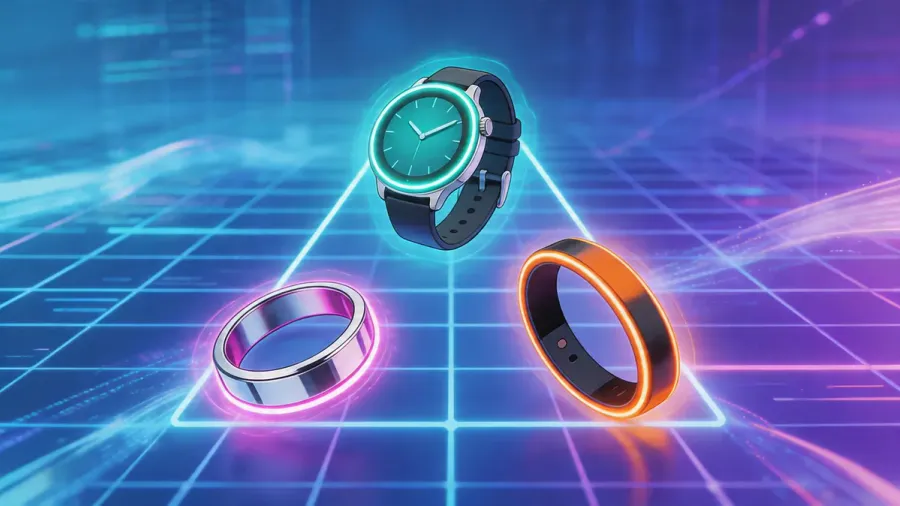
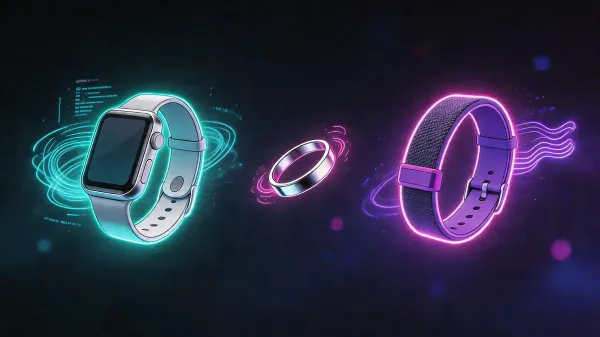
Apple Watch vs Oura vs Whoop for longevity tracking in 2026
Apple Watch, Oura, or Whoop for longevity? A head-to-head comparison of sensor accuracy, biological age support, recovery tracking, and daily usability.

Best Apple Watch apps for biological age and longevity in 2026
The best Apple Watch apps for biological age, recovery, and longevity in 2026. Reviewed for science, daily usability, and what they actually measure.

Best biological age apps in 2026: how to pick the right one for you
Compare the best biological age apps for 2026. Accuracy, price, platform, and daily usability reviewed — from Apple Health trackers to blood-based tools.

Best biological age tests in 2026: Blood, epigenetic, and wearable options
Best biological age tests 2026 compared: blood-based PhenoAge and KDM, epigenetic clocks like GrimAge and DunedinPACE, and wearable-derived scores.
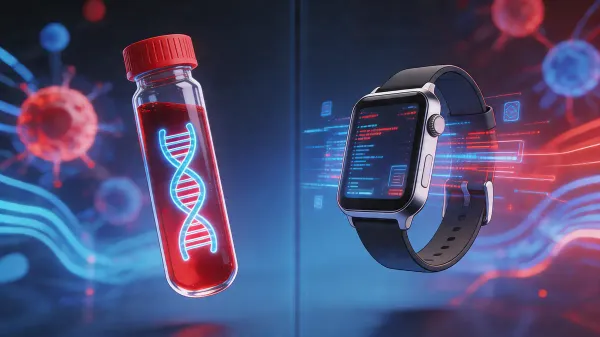
Biological age from blood tests vs wearables: Which is more accurate?
Blood tests vs wearables for biological age compared: accuracy, cost, repeatability, and when each modality is the right choice for longevity tracking.

Biological age clocks vs pace-of-aging clocks: How DunedinPACE differs from PhenoAge and KDM
Biological age clocks vs pace-of-aging clocks explained: why DunedinPACE answers a different question than PhenoAge or KDM and which to pick.
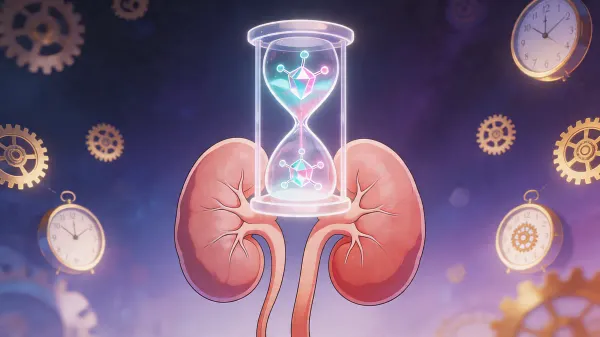
Cystatin C vs creatinine: Which better reflects kidney aging?
Cystatin C vs creatinine compared: what each measures, why muscle mass biases creatinine, and which kidney marker is more reliable for longevity tracking.

eGFR by age: What is normal and when should you worry?
eGFR by age explained: what is normal at 30, 40, 50, 60, and 70+, how fast eGFR declines normally, and when a low eGFR should worry you.

Fasting insulin vs HbA1c vs glucose: Which shows metabolic aging first?
Fasting insulin vs HbA1c vs glucose compared: which marker flags metabolic aging years before the others, how to sequence testing, and what to do with results.