Blog

Potassium slightly high: sample error or real signal?
Potassium slightly high can come from hemolysis, sample handling, medications, kidney context, or true hyperkalemia. Learn what to repeat before changing diet.
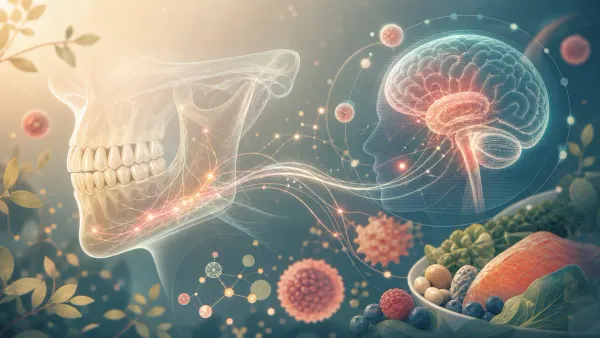
Tooth loss and cognitive decline: what the evidence suggests
Tooth loss and cognitive decline are linked in cohort studies. Learn what the evidence suggests, what it cannot prove, and what to track next.

VOCs at home: where they come from and how to reduce them
VOCs at home often come from paint, furniture, cleaners, fragrance, and remodeling. Learn how to find sources and reduce exposure without overreacting.

Attention span after 50: normal change or warning sign?
Attention span after 50 can change with sleep, hearing, medication, stress, and processing speed. Learn what is normal and when to seek help.

Chronic worry vs anxiety: which aging pathways overlap?
Chronic worry vs anxiety aging overlap in stress pathways, HRV, sleep, and inflammation. Learn the boundary and when clinical support matters.

Digital eye strain vs presbyopia: how to tell the difference
Digital eye strain vs presbyopia can feel similar after 40. Learn the symptom patterns, quick tests, fixes, and when to schedule an eye exam.

Endocrine disruptors in receipts, plastics, and dust: what to prioritize
Endocrine disruptors in receipts, plastics, and dust are not equal. Learn which everyday exposures are worth prioritizing first.

HEPA vs carbon filters: which removes the pollutants that matter?
HEPA vs carbon filters is really particles vs gases. Learn what each filter removes, where CADR matters, and when you need both.

Loss of smell and brain aging: when to take it seriously
Loss of smell can come from aging, infection, allergies, medications, head injury, or neurodegenerative risk. Learn when olfactory changes deserve evaluation.