Blog

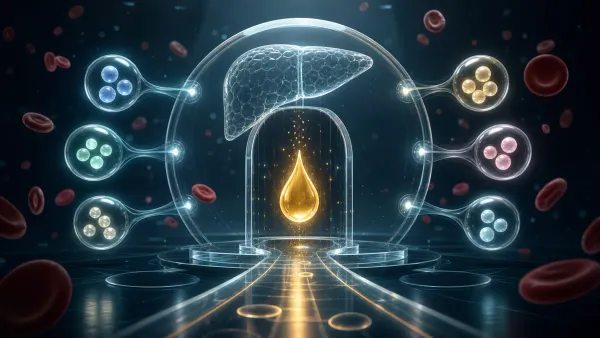
High bilirubin with normal liver enzymes: what it can mean
High bilirubin with normal liver enzymes is often Gilbert syndrome or transient context, but direct bilirubin, hemolysis, and symptoms change the next step.
GGT normal but ALT high: what pattern suggests next
GGT normal but ALT high can point to liver-cell injury, muscle effects, fatty liver risk, medications, or transient noise. Learn what to check next.

eGFR dropped suddenly: dehydration, lab variation, or kidney risk?
If eGFR dropped suddenly, dehydration, recent illness, medications, lab variation, or kidney stress may explain it. Learn what to recheck and when to ask for help.

AST high with normal ALT: muscle, alcohol, or liver signal?
AST high with normal ALT can point to muscle injury, exercise, alcohol pattern, hemolysis, medications, or liver context. Learn what to compare.

Creatinine normal but eGFR low: how age changes the equation
Creatinine can look normal while eGFR is low because eGFR adjusts for age, sex, and filtration estimates. Learn what to compare before assuming kidney disease.

Potassium slightly high: sample error or real signal?
Potassium slightly high can come from hemolysis, sample handling, medications, kidney context, or true hyperkalemia. Learn what to repeat before changing diet.

BUN creatinine ratio high: dehydration, protein, or kidney risk?
BUN creatinine ratio high can point to dehydration, protein load, GI bleeding, or kidney stress. Learn what the pattern means and what to ask next safely.

Cystatin C high with normal creatinine: what it can mean
Cystatin C high with normal creatinine can signal hidden kidney risk or marker bias. Learn what the pattern means, what to repeat, and what to ask next.

Creatinine in muscular people: when eGFR looks worse than it is
Creatinine in muscular people can make eGFR look falsely low. Learn when muscle mass, training, diet, and cystatin C change the kidney result.