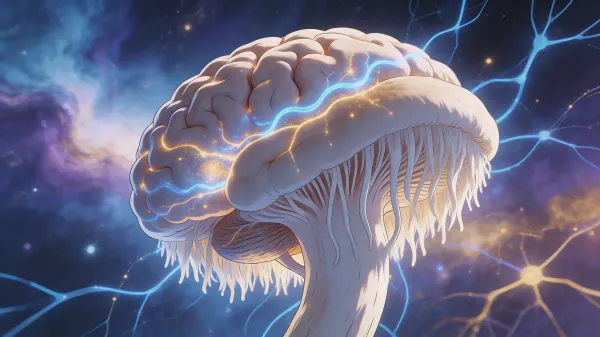
गंध की कमी और दिमागी उम्र बढ़ना: कब इसे गंभीरता से लें
गंध की कमी उम्र, संक्रमण, एलर्जी, दवाओं, सिर की चोट या न्यूरोडीजेनेरेटिव जोखिम से जुड़ सकती है। जानें कब मूल्यांकन जरूरी है।
गंध की क्षमता कम होना पहले मामूली लग सकता है। कॉफी फीकी लगती है, भोजन का स्वाद कम हो जाता है, और धुआं, गैस या खराब खाना पहचानना कठिन हो सकता है। फिर चिंता आती है: क्या यह सिर्फ उम्र, एलर्जी या पुराना वायरल संक्रमण है, या दिमागी उम्र बढ़ने का शुरुआती संकेत?
जवाब सीधा नहीं है। उम्र के साथ गंध की क्षमता अक्सर घटती है, और कई कारण नाक से जुड़े या अस्थायी होते हैं: वायरल संक्रमण, पुरानी बंद नाक, एलर्जी, साइनस रोग, दवाएं, धूम्रपान, दंत समस्याएं या सिर की चोट। साथ ही, गंध की गड़बड़ी Parkinson’s disease, Alzheimer’s disease और Lewy body dementia जैसे न्यूरोडीजेनेरेटिव रोगों से लगातार जुड़ी पाई गई है।
इसका मतलब यह नहीं कि हर smell loss dementia warning है। गंध एक शोरभरा संकेत है। उपयोगी सवाल है: गंध की कमी का कौन सा pattern डॉक्टर से मूल्यांकन मांगता है?
यह गाइड loss of smell and brain aging को threshold problem की तरह समझाती है: सामान्य और reversible कारण, गंभीर patterns, क्या track करना है, और smell changes को cognitive, motor, sleep और sensory context से कैसे जोड़ना है।
व्यापक cognitive thresholds के लिए early signs of cognitive decline पढ़ें। अगर मुख्य symptom mental cloudiness है, तो brain fog vs MCI देखें। Cognitive relevance वाले दूसरे sensory pathway के लिए hearing loss and cognitive decline पढ़ें।
Quick answer: when is smell loss concerning?
Smell loss को गंभीरता से लेना चाहिए जब यह persistent, progressive, unexplained हो, दूसरे neurologic या cognitive changes के साथ आए, या safety risk बनाए।
| Pattern | अक्सर reversible या local | अधिक चिंता वाला |
|---|---|---|
| cold, flu, COVID, allergies या congestion के साथ अचानक smell loss | infection या nasal inflammation के बाद common | महीनों तक सुधार न हो या neurologic symptoms जुड़ें |
| 60 के बाद धीरे-धीरे smell decline | aging, smoking, chronic rhinitis, medications से common | तेज progression, major loss, cognitive/motor changes |
| खाना फीका लगना | smell-driven, dental, medication या nasal issue | वजन घटे, appetite कम हो, unsafe food choices |
| smoke, gas या spoiled food पहचानना कठिन | कारण benign हो तब भी safety issue | practical safety changes और clinical review |
| smell loss plus dream enactment, constipation, tremor, stiffness, gait change | सिर्फ nasal नहीं | clinician से Parkinsonian या Lewy-body risk पर बात करें |
| smell loss plus memory, navigation, language या judgment changes | broader pattern | cognitive evaluation appropriate |
Head injury के बाद smell loss, sudden neurologic symptoms, severe headache, facial weakness, confusion, seizure, stroke-like symptoms या rapidly worsening infection हो तो urgent care लें।
गंध का मस्तिष्क की उम्र बढ़ने से क्या संबंध है
Smell hearing या vision से अलग है क्योंकि odor information जल्दी और सीधे emotion, memory और threat detection से जुड़े brain regions तक जाती है। Odor identification सिर्फ “नाक की strength” नहीं है। इसमें nasal airflow, olfactory receptor neurons, olfactory bulb and tract, odor names की memory, attention, language और orbitofrontal-limbic-temporal processing शामिल हैं।
इसलिए smell test कई कारणों से fail हो सकता है। Nose signal नहीं दे रही हो सकती है। Infection या trauma के बाद olfactory nerve प्रभावित हो सकता है। Brain odor को process या identify करने में कमजोर हो सकता है। या व्यक्ति smell कर सकता है लेकिन उसका नाम नहीं बता पाता।
Aging research में odor identification महत्वपूर्ण है क्योंकि यह sensory input और central brain processing दोनों को reflect कर सकता है। Longitudinal studies ने poor olfaction को future cognitive decline, brain volume changes और neurodegenerative disease risk से जोड़ा है। लेकिन यह अकेले diagnosis के लिए specific नहीं है।
Common non-brain causes of smell loss
Viral infection and post-viral smell loss
Upper respiratory infections smell loss के सबसे आम triggers में हैं। COVID-19 से यह बात प्रसिद्ध हुई, पर कई viruses smell को प्रभावित कर सकते हैं। Recovery में weeks या months लग सकते हैं और कुछ लोगों में parosmia, यानी distorted smell, हो सकती है।
Timing और trajectory पूछें: क्या smell loss infection के साथ शुरू हुआ? क्या improvement है? क्या taste इसलिए dull है क्योंकि smell कम है? क्या congestion या sinus pressure है?
Chronic nasal inflammation
Allergies, chronic rhinitis, nasal polyps, sinusitis और structural obstruction odor access घटा सकते हैं। Smell fluctuating हो सकती है: allergy season में खराब, decongestion के बाद बेहतर, या एक side में अलग।
Medications, smoking, and exposure
कुछ medications, tobacco smoke, occupational exposures, solvents और air pollution smell को प्रभावित कर सकते हैं। अगर smell change किसी नई दवा या exposure के बाद आया, तो इसे clinician या pharmacist को बताएं।
Head injury
Head trauma skull base से गुजरते olfactory nerve fibers को नुकसान पहुंचा सकता है। Fall, crash, sports injury या concussion के बाद smell loss को ignore न करें, खासकर headache, confusion, dizziness, vision symptoms या cognitive changes के साथ।
Normal aging
Olfaction उम्र के साथ अक्सर घटता है। Older adults को decline का पता तब चलता है जब food, safety या कोई दूसरा व्यक्ति संकेत देता है। “Normal aging” context check करने के बाद conclusion होना चाहिए, पहला assumption नहीं।
Smell loss and neurodegenerative risk
Olfactory dysfunction Parkinson’s disease में common है और motor symptoms से वर्षों पहले दिख सकती है। Alzheimer’s disease और dementia with Lewy bodies में भी smell dysfunction report होती है। Reviews बताती हैं कि odor identification impairment कई neurodegenerative conditions में early feature हो सकता है।
Possible mechanisms में olfactory pathways की early involvement, alpha-synuclein या Alzheimer’s-related pathology, cholinergic/dopaminergic changes, inflammation, vascular injury और sensory-cognitive networks की shared vulnerability शामिल हैं।
लेकिन smell loss अकेले diagnosis नहीं है। Signal अधिक meaningful तब होता है जब यह broader pattern का हिस्सा हो।
The patterns that deserve more attention
Smell loss plus cognitive change
Smell loss तब अधिक महत्वपूर्ण है जब memory, language, navigation, attention, judgment या daily function changes भी हों: repeated questions, missed bills or medications, familiar places में खोना, familiar recipes/work steps में कठिनाई, naming trouble, या family द्वारा baseline change notice करना। Clinical boundary के लिए mild cognitive impairment early signs and reversibility देखें।
Smell loss plus Parkinsonian or Lewy-body clues
Dream enactment, chronic constipation, tremor, stiffness, slowed movement, smaller handwriting, reduced arm swing, shuffling gait, balance change, visual hallucinations, alertness fluctuations या unexplained falls के साथ smell loss हो तो clinician से बात करें।
Smell loss plus safety or nutrition problems
Benign smell loss भी important है अगर smoke, gas, spoiled food या appetite प्रभावित हो। Smoke और carbon monoxide detectors verify करें, relevant हो तो gas detector लगाएं, leftovers पर date लिखें, questionable food किसी और से check करवाएं, और unintentional weight loss track करें।
What to track before an appointment
Track करें:
- smell loss कब शुरू हुआ
- sudden vs gradual onset
- infection, COVID, cold, allergy, sinus symptoms
- head injury या concussion
- medication changes
- smoking या exposure changes
- taste truly lost है या smell कम होने से food dull है
- congestion के साथ fluctuation
- safety misses: smoke, gas, spoiled food
- cognitive symptoms: memory, navigation, language, judgment
- motor/autonomic symptoms: tremor, stiffness, constipation, dream enactment, balance
- weight, appetite और food enjoyment
At-home smell tests trend notes की तरह उपयोगी हो सकते हैं, diagnosis की तरह नहीं।
What a clinician may evaluate
| Area | Why it matters |
|---|---|
| Nasal exam or ENT review | congestion, polyps, sinus disease, obstruction देखता है |
| Medication and exposure review | reversible contributors खोजता है |
| Neurologic exam | motor signs, coordination, reflexes, gait, cranial nerves |
| Cognitive screen | smell loss plus memory/function changes में useful |
| Sleep history | dream enactment Lewy-body/Parkinsonian risk में matter कर सकता है |
| Labs | B12, thyroid, anemia, inflammation, metabolic context |
| Imaging | trauma, focal neurologic signs, tumor concern या atypical pattern में considered |
सुपरएज आपको संदर्भ देखने में कैसे मदद कर सकता है
SuperAge smell loss, Parkinson’s disease, Alzheimer’s disease, MCI, sinus disease या post-viral olfactory dysfunction diagnose नहीं करता। इसका value context है।
Useful signals हैं: sleep regularity, HRV और resting heart rate, activity/gait trends, weight/nutrition patterns, lab markers और symptom notes। Smell change को cognitive, motor, sleep और infection history से जोड़ना isolated smell score से ज्यादा उपयोगी है।
Symptoms, wearables और labs को structure करने के लिए personal health dashboard approach उपयोग करें।
FAQ
क्या गंध की हानि मनोभ्रंश का संकेत है?
यह dementia risk से जुड़ सकता है, लेकिन diagnosis के लिए specific नहीं है। Infection, allergies, sinus disease, medications, smoking और head injury common causes हैं। Concern तब बढ़ता है जब smell loss persistent, progressive, unexplained और cognitive या functional changes के साथ हो।
क्या गंध की हानि पार्किंसंस रोग का प्रारंभिक संकेत है?
Olfactory dysfunction Parkinson’s disease में common है और motor symptoms से पहले आ सकती है। Dream enactment, constipation, tremor, stiffness, slowed movement, gait change या balance problems के साथ यह अधिक concerning है।
क्या पिछले महीनों में COVID या किसी अन्य वायरस से नुकसान की गंध आ सकती है?
हाँ। Post-viral smell loss weeks से months तक रह सकता है और distorted smells भी हो सकती हैं। Persistent symptoms पर medical discussion उचित है।
Should I buy a smell test?
At-home smell tests trend track कर सकते हैं, diagnosis नहीं। Culture, familiarity, congestion और test quality result को प्रभावित करते हैं।
What safety changes should I make?
Smoke और carbon monoxide detectors check करें, relevant हो तो gas detector consider करें, leftovers label करें, questionable food किसी और से check करवाएं, और safety decisions में smell alone पर भरोसा न करें।
When should I see a doctor?
अगर smell loss persistent, worsening, unexplained है, head injury के बाद आया है, safety/nutrition problem बना रहा है, या cognitive, motor, sleep या neurologic changes के साथ है, तो clinician से मिलें।
Key takeaways
- Smell उम्र के साथ घट सकती है, लेकिन नया smell loss pattern से interpret करें।
- Common causes nasal, post-viral, medication-related, exposure-related या traumatic हो सकते हैं।
- Olfactory dysfunction neurodegenerative risk से जुड़ी है, पर अकेले diagnostic नहीं।
- Persistent, progressive, unexplained या cognitive/motor/sleep changes के साथ smell loss अधिक concerning है।
- Safety और nutrition practical priorities हैं।
References
- Doty RL. Olfactory dysfunction in aging and neurodegenerative diseases. Neurobiology of Disease. 2021.
- National Institute on Aging. Cognitive Health and Older Adults.
- Dan X, et al. Olfaction and aging: a review of the current state of research and future directions. i-Perception. 2021.
- Devanand DP, et al. Olfaction and the 5-year incidence of cognitive impairment in an epidemiologic study of older adults. Journal of the American Geriatrics Society. 2008.
- Tian Q, et al. Associations of olfaction with longitudinal trajectories of brain volumes and neuropsychological function in older adults. Neurology. 2023.
- Fullard ME, et al. Olfaction in Parkinson’s disease and related disorders. Parkinsonism & Related Disorders. 2012.
यह लेख educational है और medical advice का स्थान नहीं लेता। अगर smell loss sudden, persistent, progressive है, head injury के बाद है, या cognitive, motor या neurologic symptoms के साथ है, तो qualified clinician से बात करें।
संबंधित लेख
दांतों का नुकसान और संज्ञानात्मक गिरावट: सबूत क्या बताते हैं
समूह अध्ययनों में दांतों की हानि और संज्ञानात्मक गिरावट जुड़ी हुई है। जानें कि सबूत क्या सुझाते हैं, यह क्या साबित नहीं कर सकते और आगे क्या ट्रैक करना है।